Homemade basil pesto has become one of my favourite guilty pleasures- a handful of basil, a pestle and mortar, and suddenly you've got a fresh pesto recipe that tastes miles better than anything in a jar. This basil pesto is bright, punchy, and perfect for tossing through pesto pasta on a busy weeknight or stirring into easy family dinners when you need something quick but full of flavour.
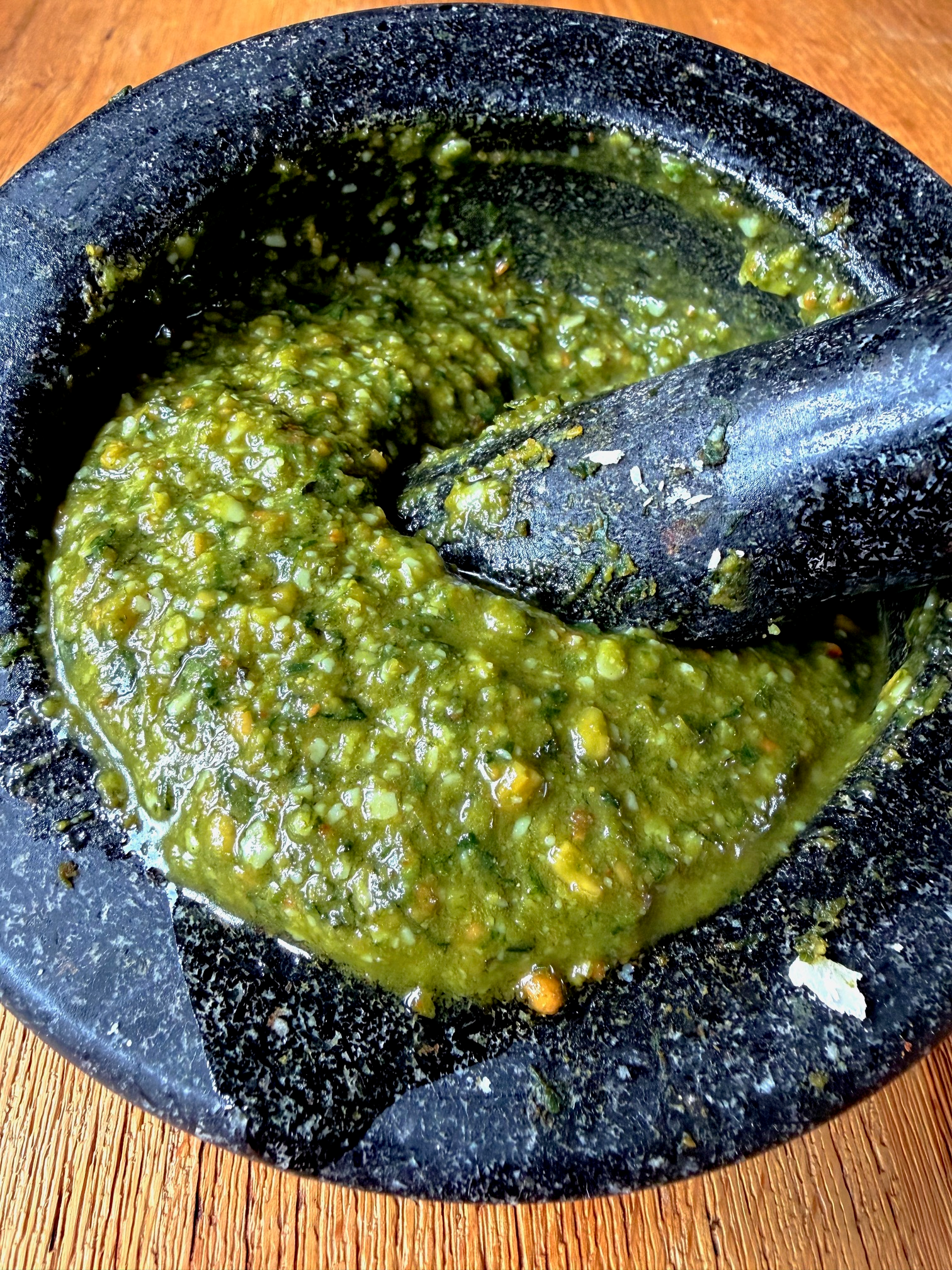
Homemade pesto has become one of those little family treats in our house – everyone grabs a basil leaf to sniff!! and suddenly the whole kitchen smells like summer. Making pesto sauce with a pestle and mortar turns into a team effort: someone crushes the garlic, someone stirs, someone inevitably my wife or my boy sneaks a pine nut or two. This fresh basil pesto recipe is our go‑to for quick weeknight dinner recipes, especially when pesto pasta is the only thing everyone agrees on. It's a simple, homemade pesto recipe that shows how easy it is to turn fresh basil into a bright, punchy pesto sauce that works for easy family dinners and speedy lunches.
Now I am aware that homemade pesto isn’t the cheapest to make as it contains expensive ingredients like parmesan and pine nuts. However it is defiantly worth it for a treat. The difference between this homemade pesto and shop bought in a jar is just unreal. I used my latest batch to make a pesto pasta for the family and ate the remaining pesto straight from the jar with a spoon….so good!
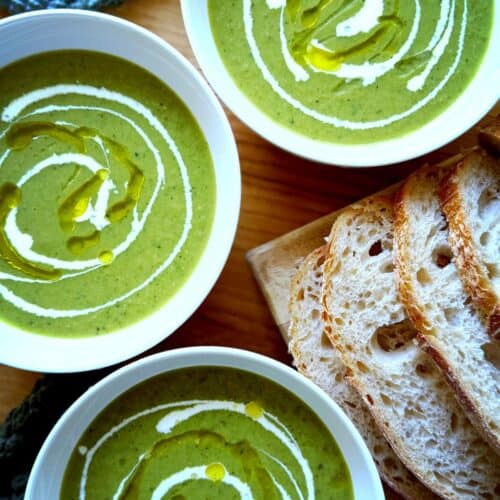
If your feeling really fancy why not pair this homemade pesto with my for a healthy homemade dinner for you and the kids?
Jump to:
Ingredients and substitutions for homemade pesto
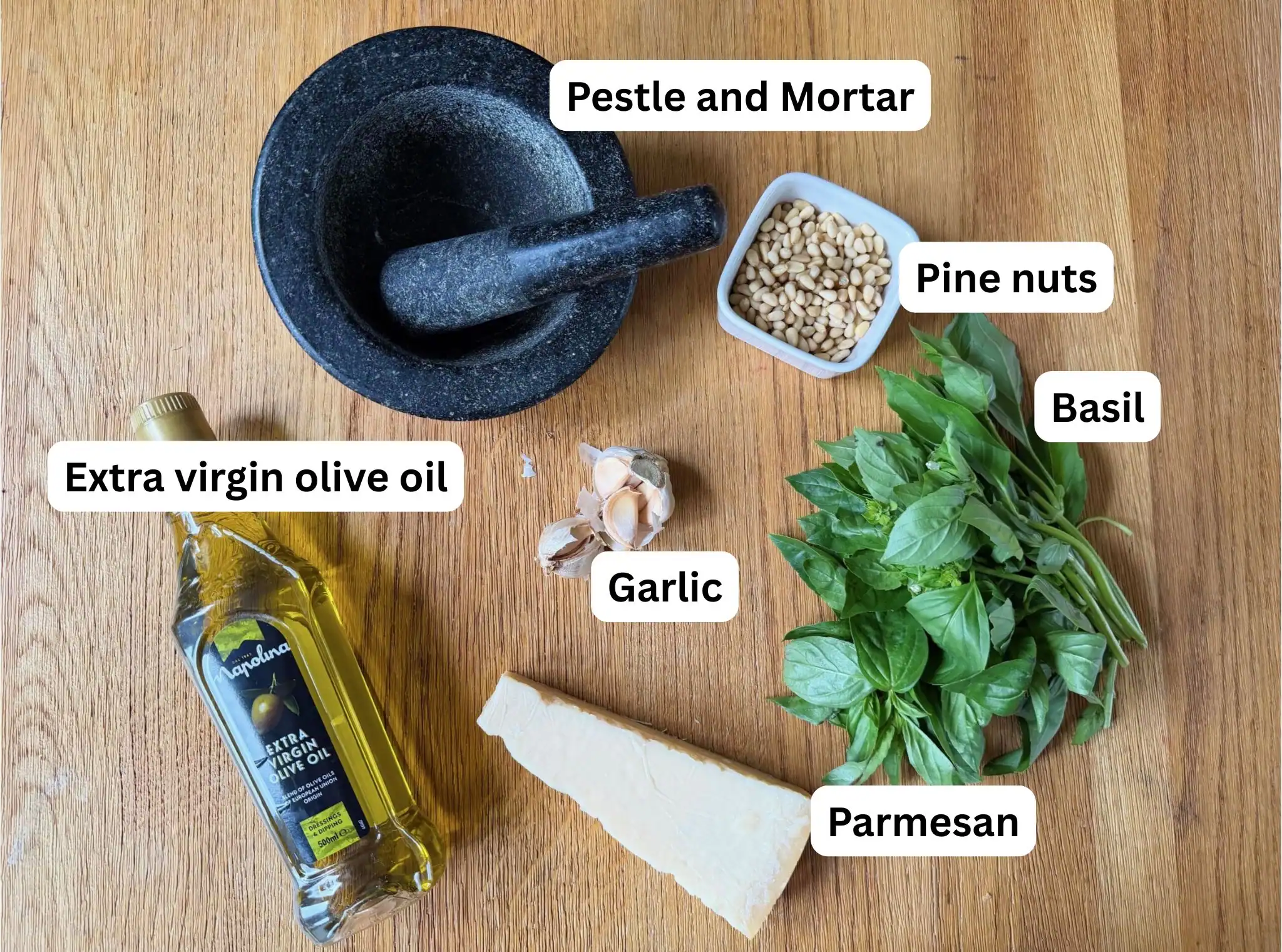
See recipe card for quantities.
- Basil – Fresh basil is the heart of any good pesto. It brings that bright, fragrant, slightly sweet flavour that makes the whole sauce taste like summer. The kids always love picking the leaves off the stems, it's the perfect little job for small hands.
- Garlic – Just one clove adds warmth and a gentle kick. It's the backbone of the sauce, giving depth without overpowering the basil. Crushing it with a pestle and mortar is oddly satisfying!
- Toasted Pine Nuts – Toasting pine nuts makes them buttery, nutty, and so much more flavourful. They help create that creamy texture pesto is known for. In our house, I have to toast extra because we all steal a few.
- Parmesan – Salty, savoury, and full of umami, Parmesan ties everything together. It adds richness and helps the pesto cling beautifully to pasta. Freshly grated makes a big difference here.
- Extra Virgin Olive Oil – This is what turns the basil, garlic, and nuts into a silky pesto sauce. A good-quality olive oil adds fruitiness and rounds out the flavours without making the sauce heavy.
What equipment will you need to make Homemade pesto?
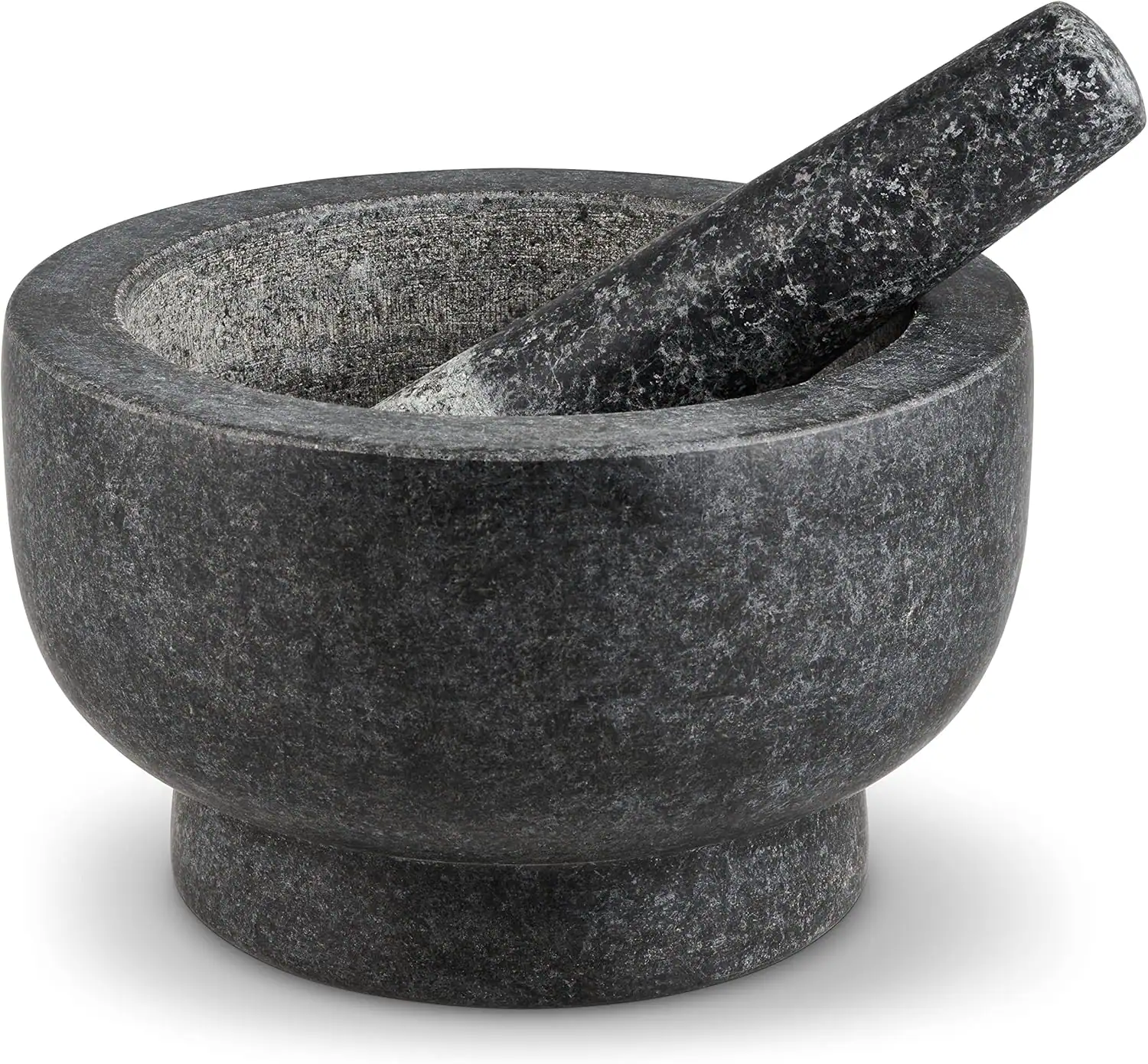
- Pestle and Mortar – You can make this pesto in a food processor but I really do think you get a better texture using a pestle mortar. It’s also very therapeutic. You can’t beat a nice heavy granite pestle and mortar. The sound of the Pestle grinding against the Mortar….much better than a food processor!!
How do I make homemade pesto?
This section walks you through exactly how we make pesto in our kitchen – kids pinching pine nuts, basil everywhere, and that satisfying moment when everything comes together into the freshest, brightest pesto sauce. It's simple, hands‑on, and one of those recipes that is as fun to make as it is to eat.
Step 1: Toast the pine nuts: Heat the oven to 180°C. Spread the 60g pine nuts on a baking tray and toast for 6-8 minutes until lightly golden and fragrant. Let them cool slightly (keep your eyes on them, pine nuts in my house get pinched by my wife and boy)
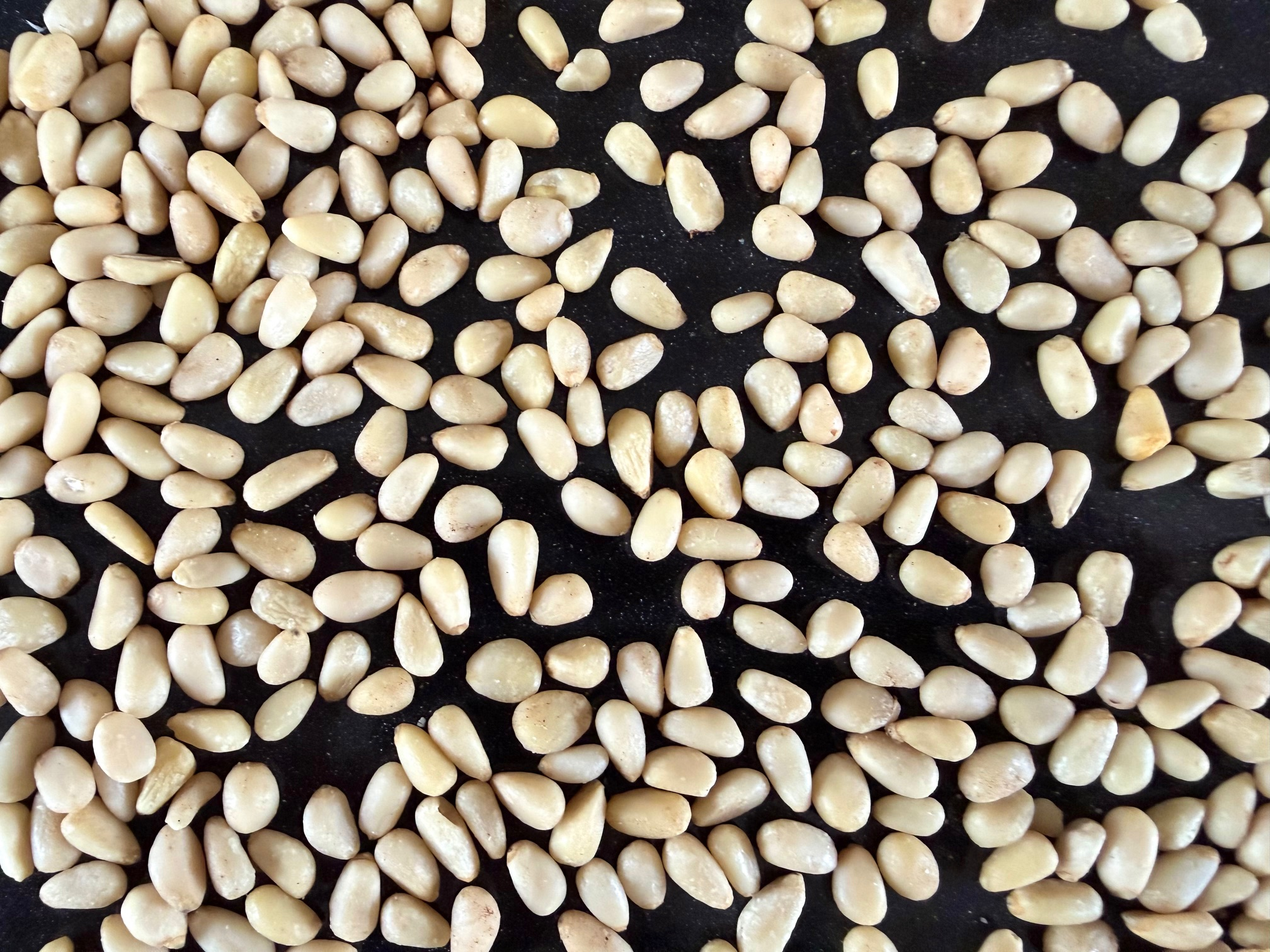
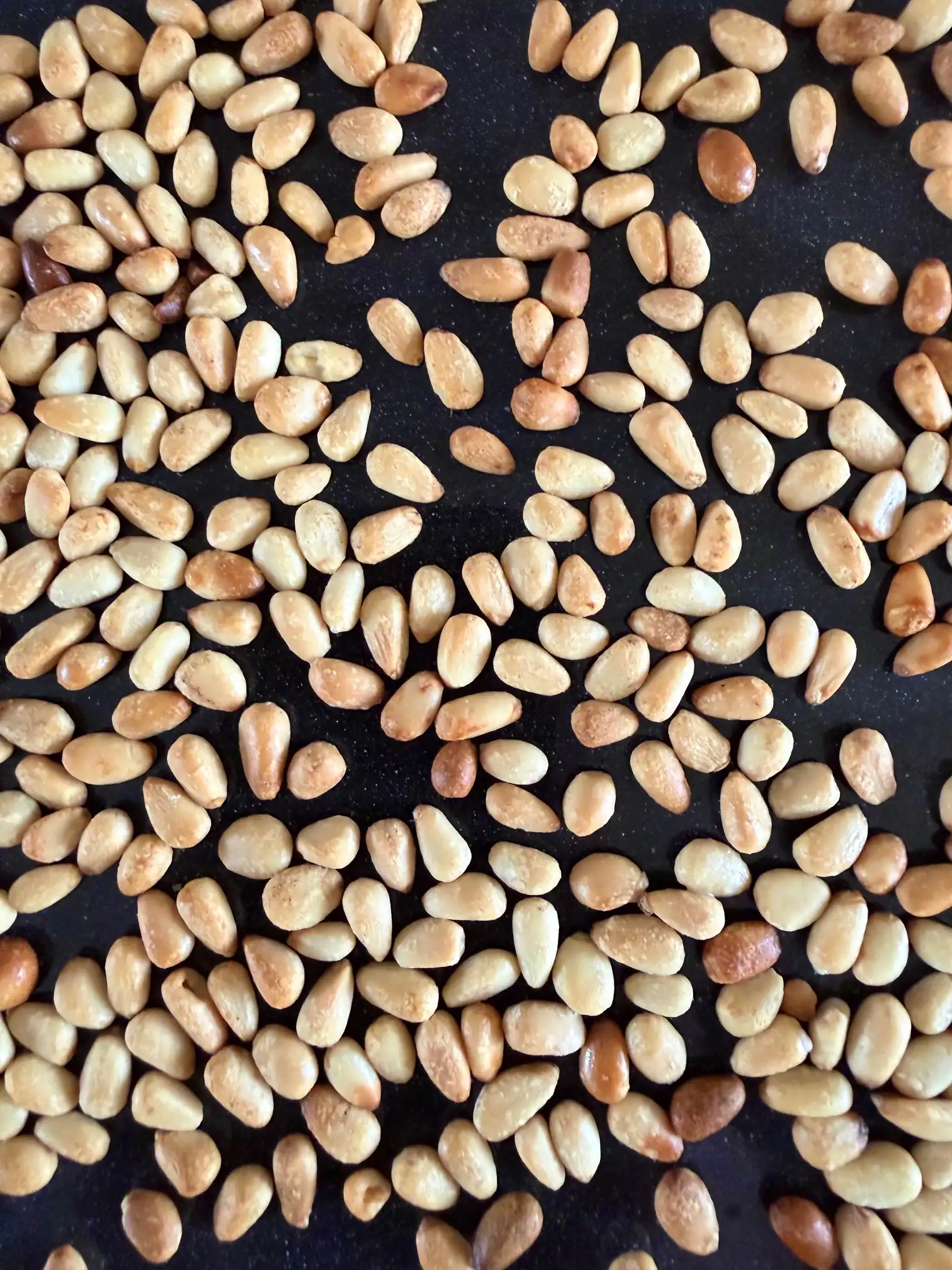
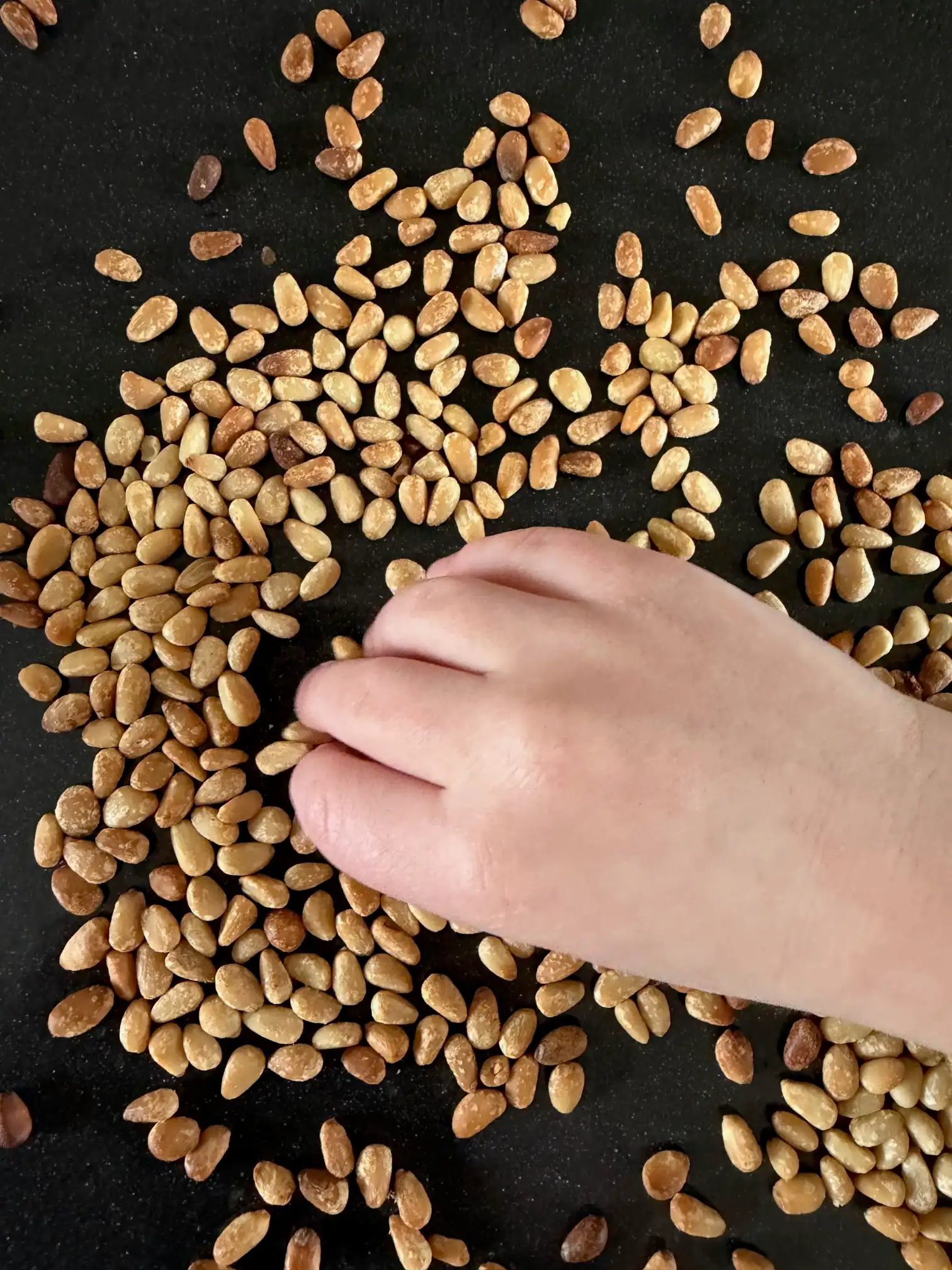
Step 2: Prep the basil: Pick the leaves from the stems and pat them dry so the pesto stays thick and vibrant
Crush the garlic: Add 2 garlic cloves and a pinch of salt to your pestle and mortar. Grind into a smooth paste
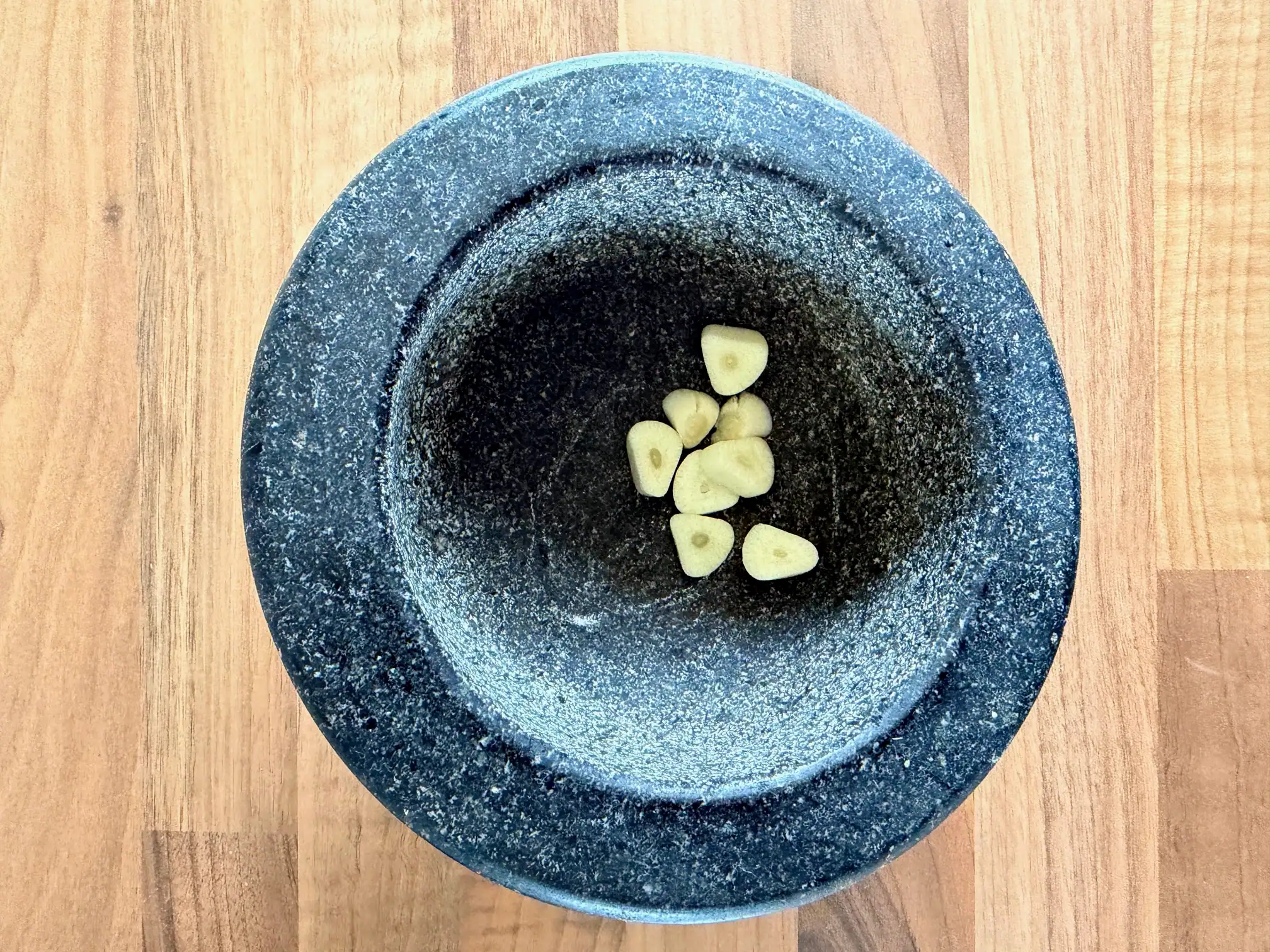
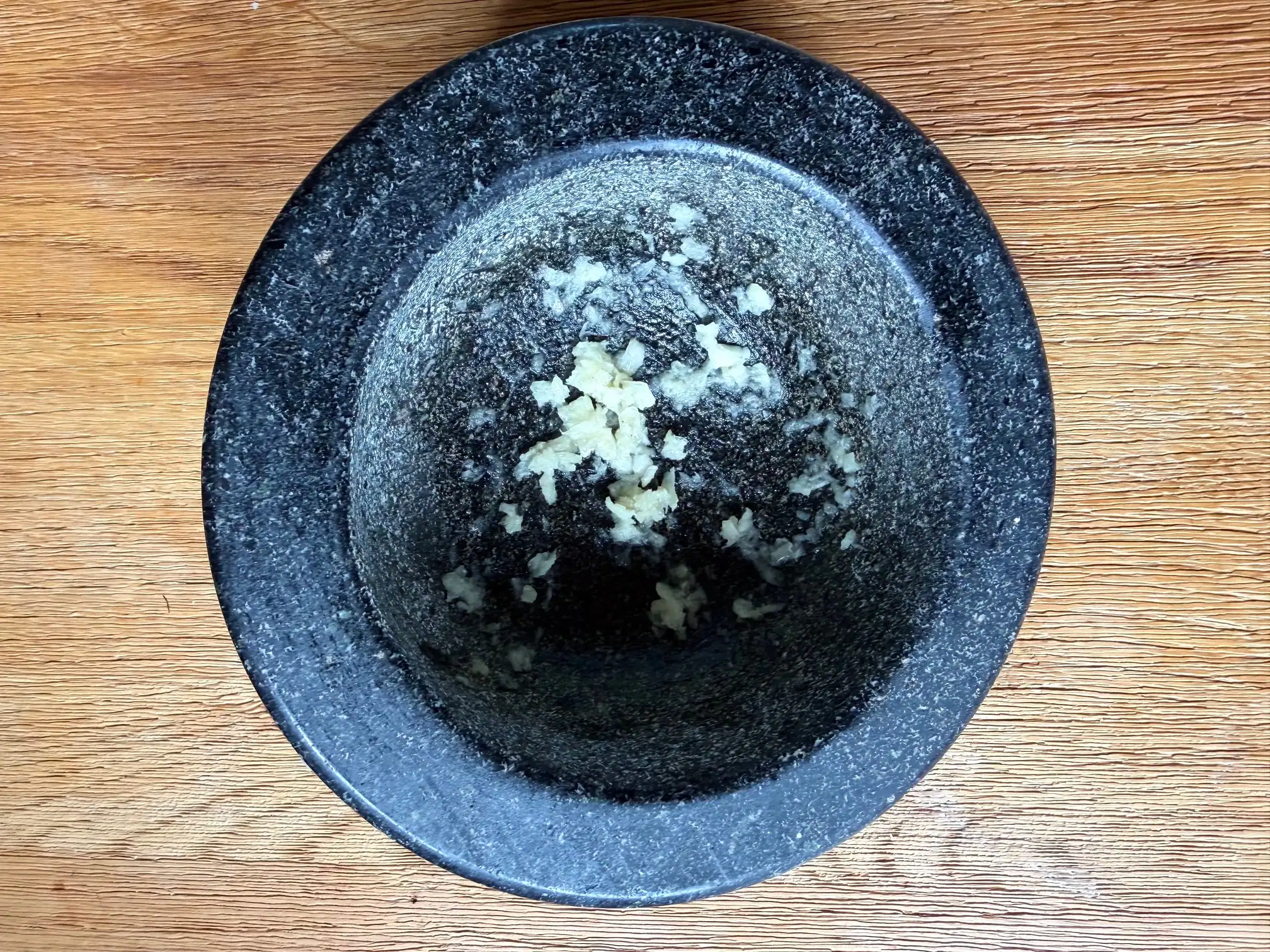
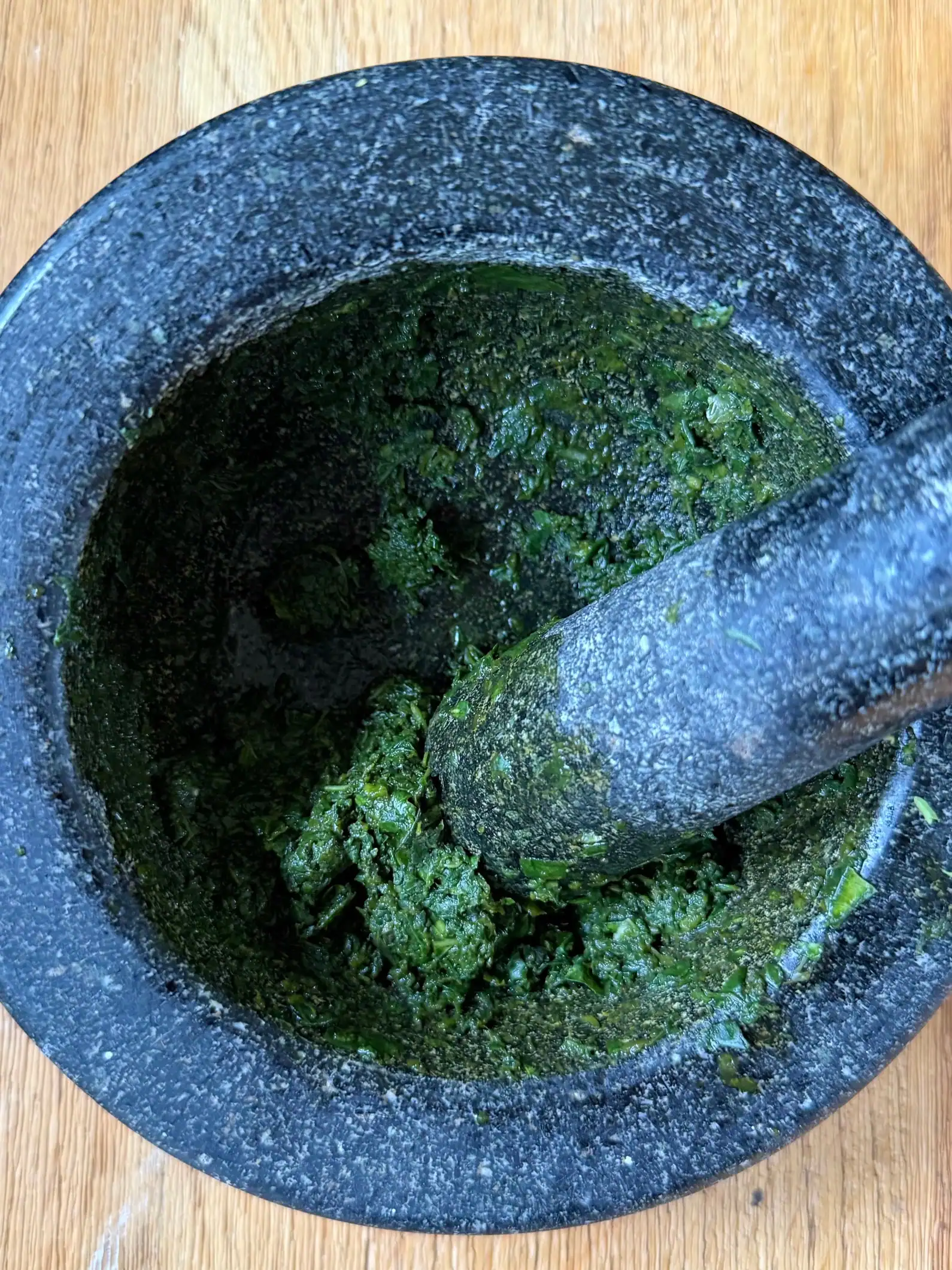
Step 3:Work in the basil: Add the 60g basil a handful at a time, grinding until the leaves break down into a deep green paste.
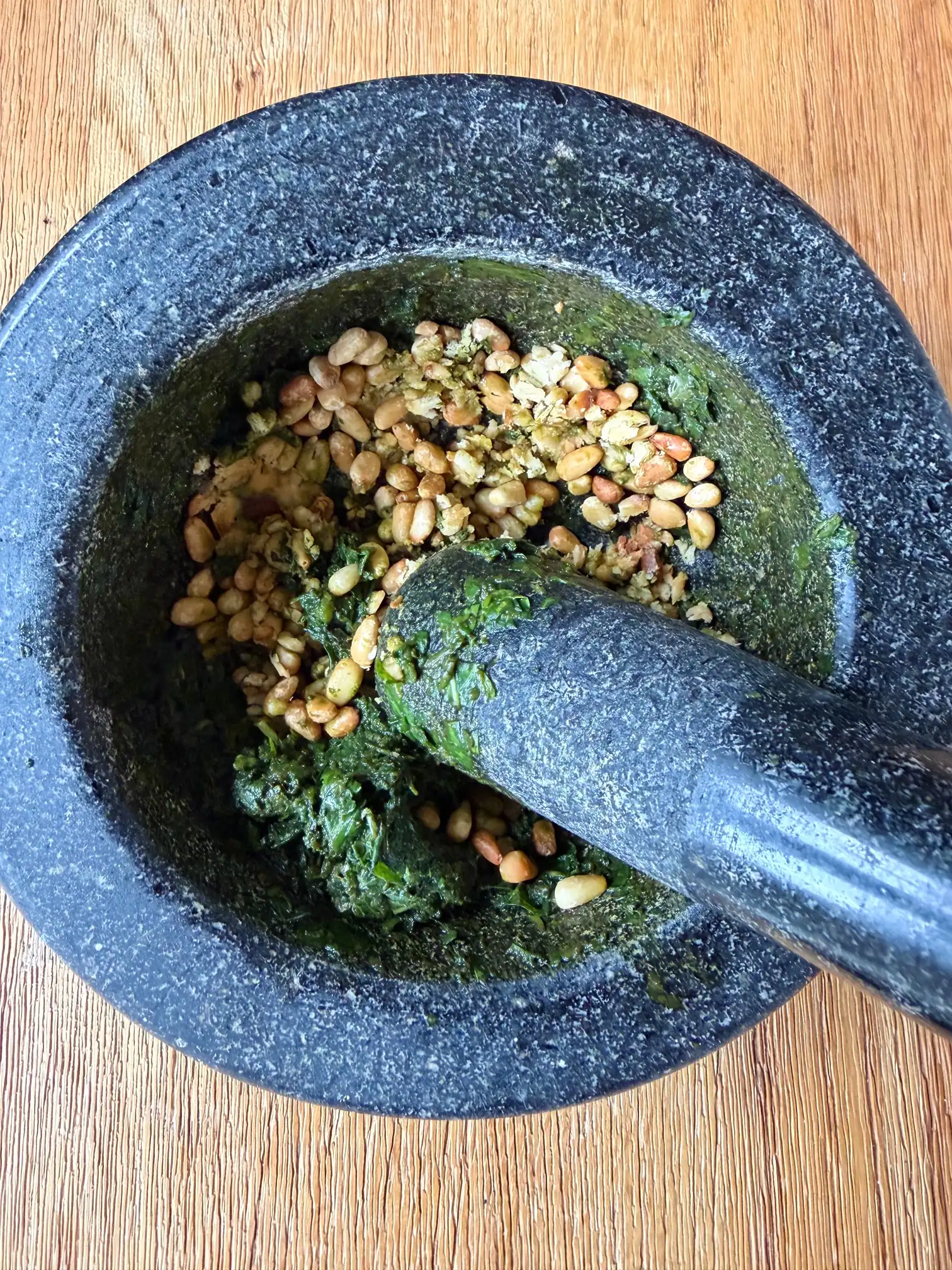
Step 4: Add the pine nuts: Tip in the toasted pine nuts and crush them into the garlic and basil until you have a coarse, nutty mixture.
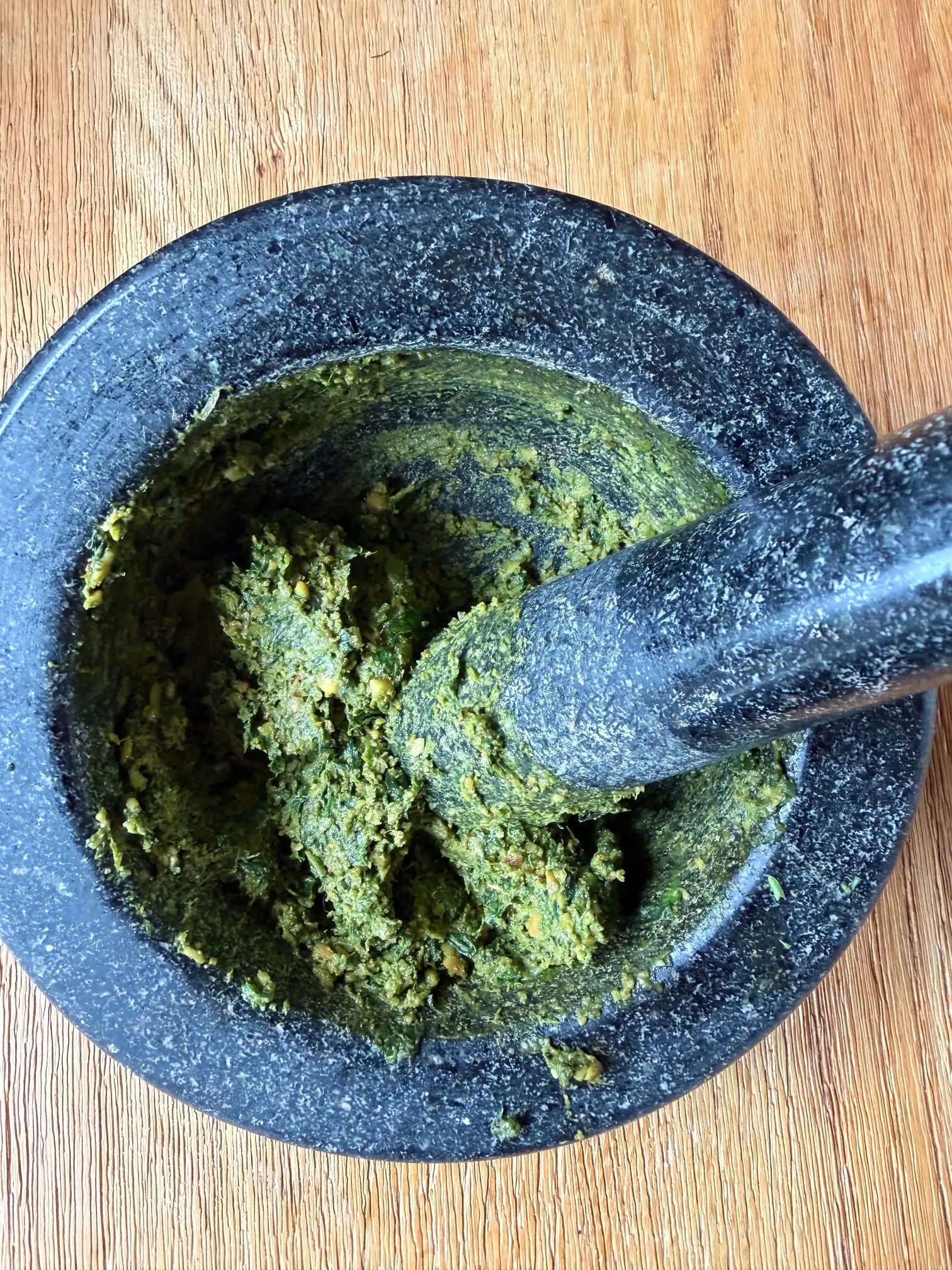
Step 5: Mix in the Parmesan: Stir through the 60g grated Parmesan until everything comes together into a thick, rustic base .
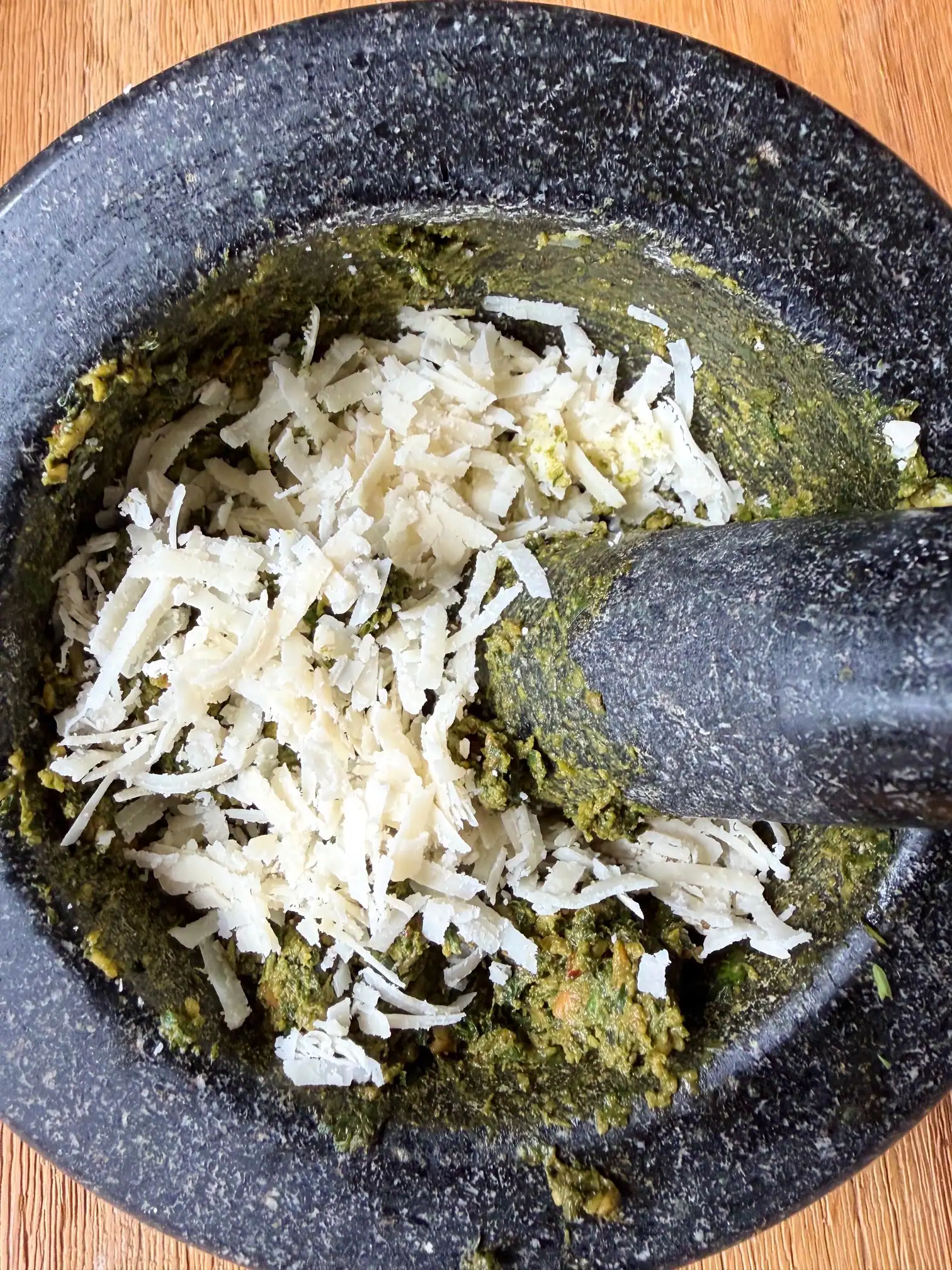
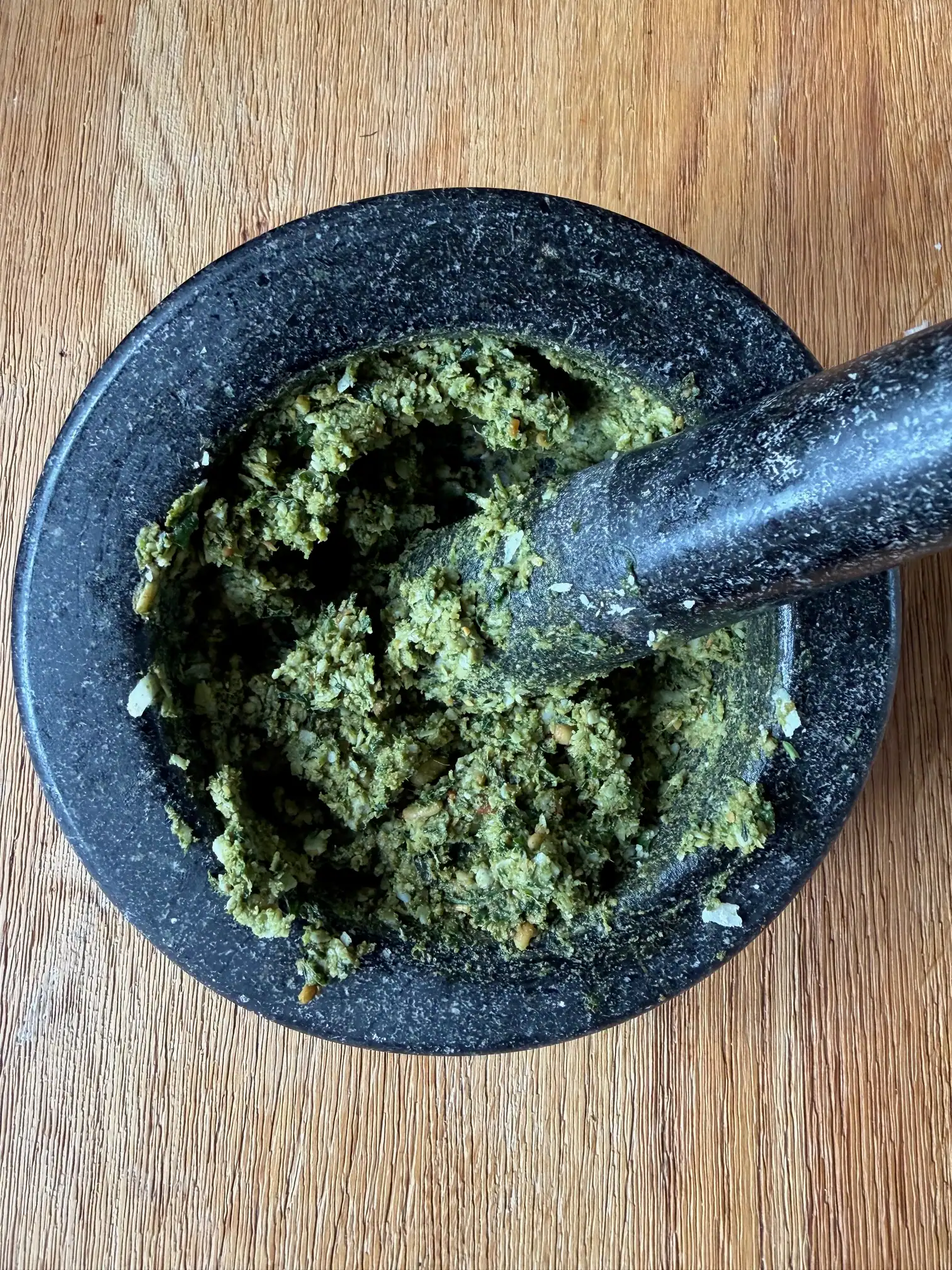
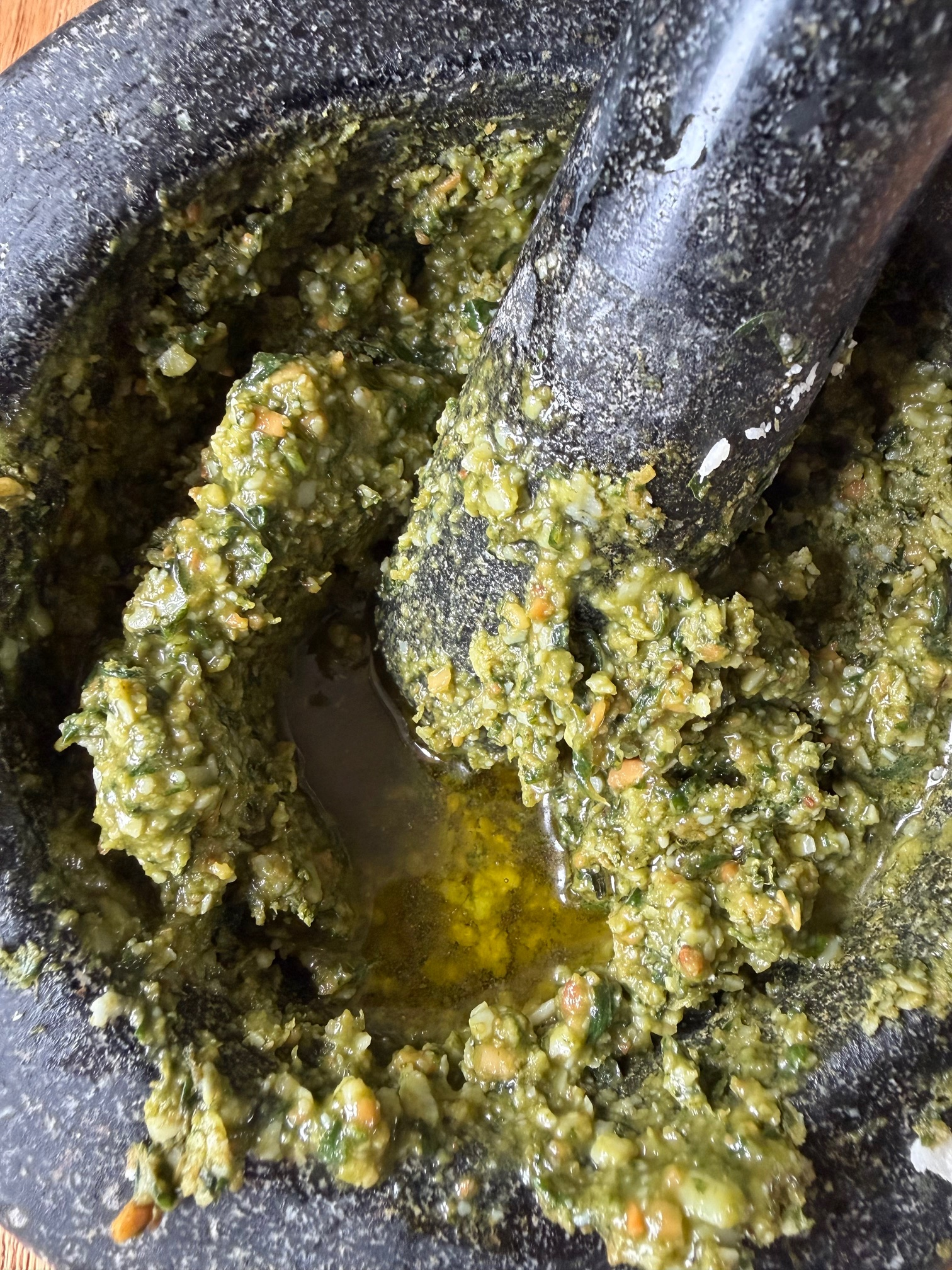
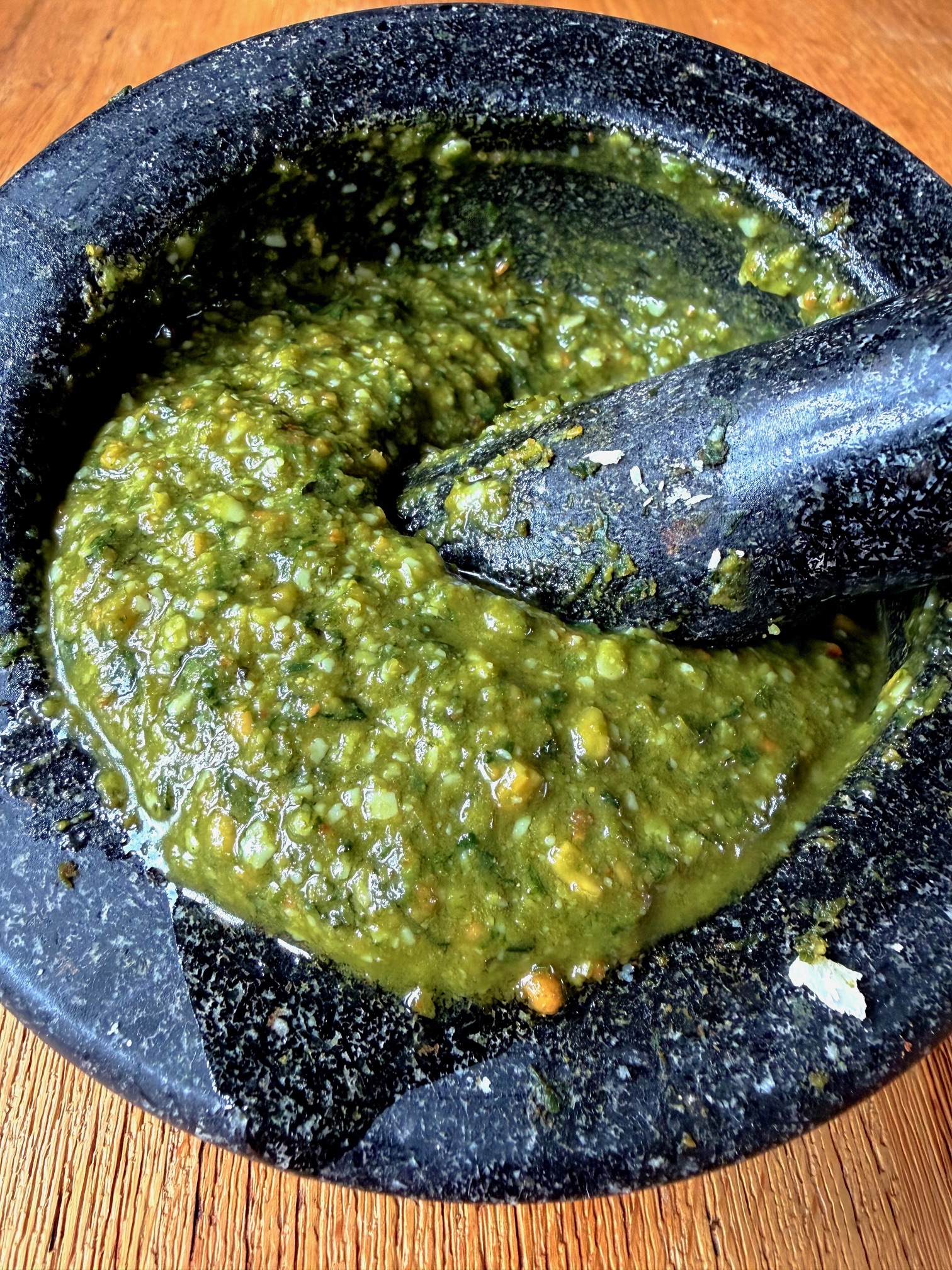
Step 6: Add the olive oil: Slowly pour in 110ml extra virgin olive oil, stirring as you go to create a glossy, spoonable pesto sauce. Taste and adjust seasoning.
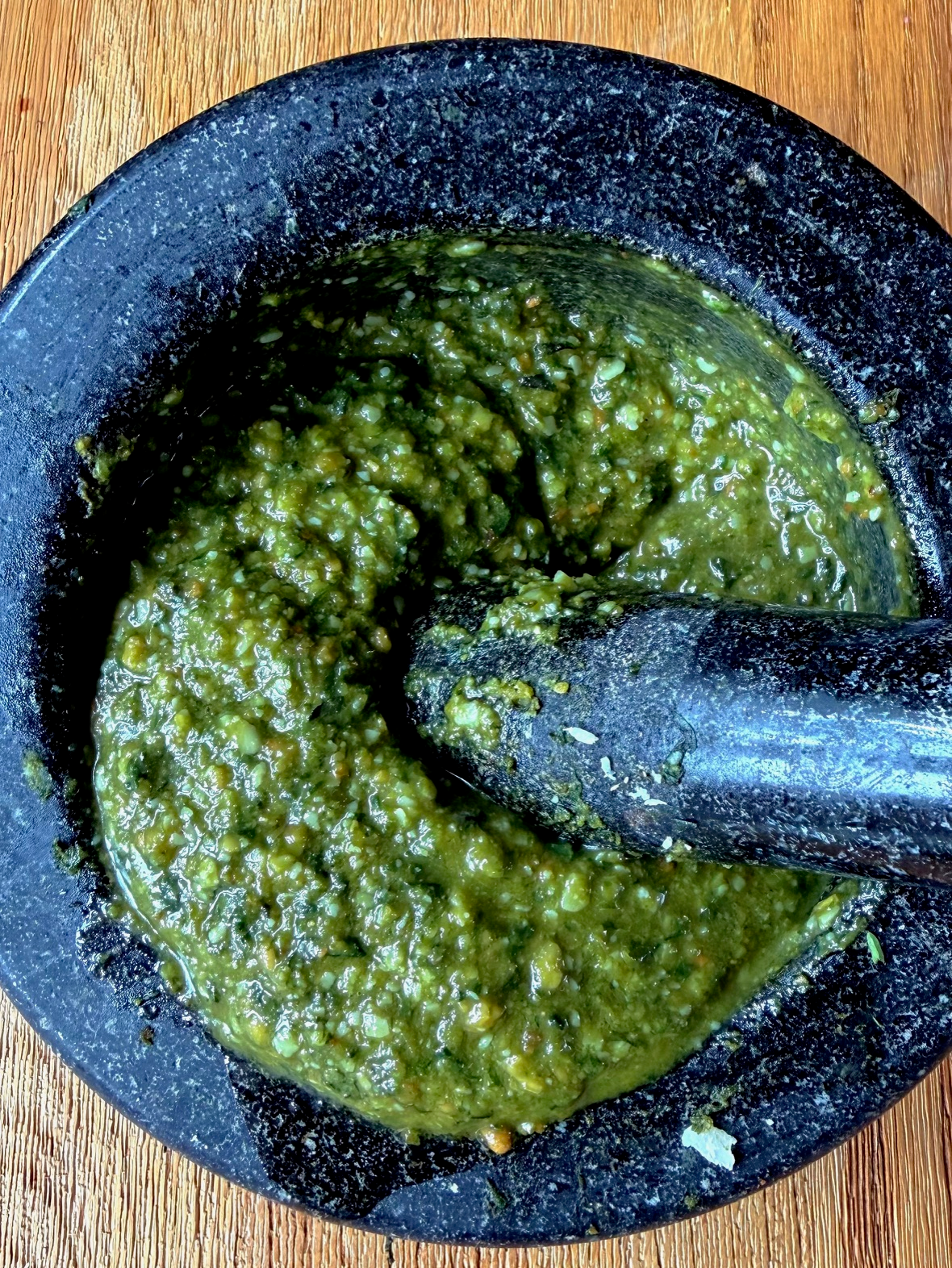
Step 7: If you're short on time, add the basil, garlic, toasted pine nuts, and Parmesan to a food processor. Pulse until finely chopped, then drizzle in the olive oil while blending until the pesto reaches your preferred consistency. Season to taste.
Serving suggestions for homemade pesto
- Toss it through warm pasta for the quickest weeknight dinner - the kids always ask for seconds.
- Spread it on toasted ciabatta or garlic bread for an easy side that feels a bit fancy.
- Stir a spoonful into soups, especially tomato or vegetable, for an instant flavour boost.
- Drizzle it over roasted veg, chicken, or salmon to turn a basic traybake into something special.
- Use it as a sandwich or wrap spread - it makes even a simple chicken sandwich taste incredible.
- Mix it into cooked rice or couscous for a quick, herby side dish.
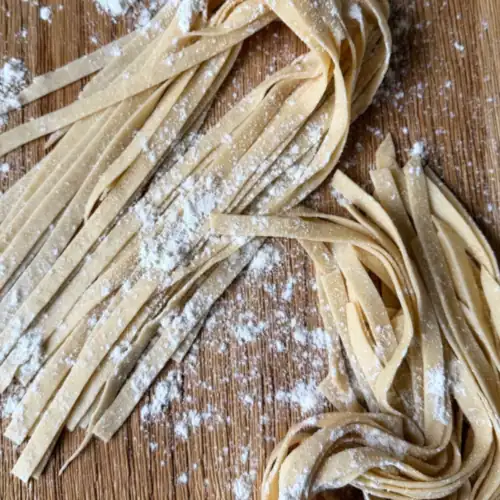
- If your feeling really adventurous, try stirring this pesto into my Homemade pasta for ultimate brownie points from the family…it is sure to impress.
Is there a particular dish you use Pesto for as your "hero"?? please let me know in the comments below. I would love to hear how you like to use pesto.
Variations of homemade pesto
Storage and freezing
Homemade pesto keeps brilliantly, which is ideal in a busy family kitchen where quick flavour boosts are always welcome. A small batch goes a long way, and having some ready to grab makes weeknight dinners so much easier.
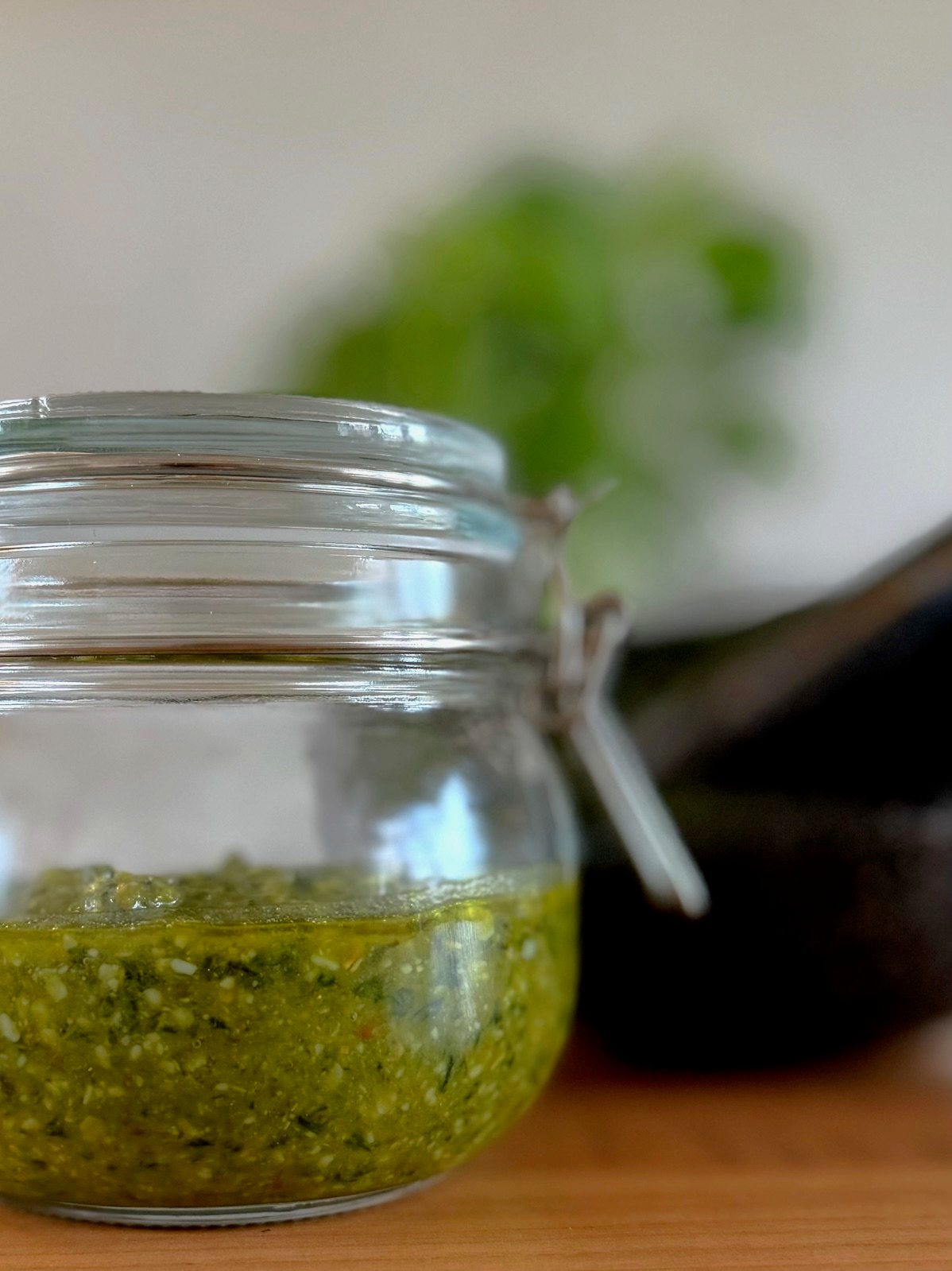
- Fridge: Store your pesto in an airtight jar for up to 5 days. Pour a thin layer of extra virgin olive oil over the top to keep the basil bright and fresh.
- Freezer: Pesto freezes beautifully. Spoon it into an ice cube tray, freeze until solid, then pop the cubes into a freezer bag. They're perfect for tossing into hot pasta, soups, or traybakes.
- Lunchbox-friendly: Nut‑free versions freeze especially well and are great for school-safe meals.
- Reviving pesto: If it thickens in the fridge, stir in a splash of olive oil or a spoonful of pasta water to loosen it back up.

- Pick the freshest basil you can find – bright green leaves make the pesto taste sweeter and more vibrant. If the kids help pick the leaves, remind them to skip the stems (they can make the pesto bitter).
- Toast the pine nuts properly, Keep an eye on them; pine nuts burn faster than my kids lose interest in tidying up.
- Crush the garlic first… breaking it down before adding the basil helps everything blend more smoothly, especially if you're using a pestle and mortar.
- Taste as you go – every batch of basil is different. Sometimes it needs more Parmesan, sometimes more oil, sometimes just a pinch of salt to wake it up.
- Double the batch – you'll thank yourself later. Freeze extra in ice cube trays for instant flavour bombs on busy nights
FAQ
Can I make pesto without a pestle and mortar?
Yes – a food processor or blender works perfectly. The texture will be a little smoother, but the flavour is still fantastic. If the kids are helping, the pestle and mortar version is more fun and hands‑on.
Why did my pesto turn brown?
Basil oxidises quickly. Adding a squeeze of lemon juice and storing the pesto under a thin layer of olive oil helps keep it bright green…..But in my house it doesn’t last long enough to turn brown!!
Can I make pesto nut‑free?
Absolutely. Swap pine nuts for sunflower seeds or pumpkin seeds. It's cheaper, allergy‑friendly, and still delicious.
What if my pesto is too thick?
Add a splash more olive oil or a spoonful of pasta water to loosen it. A little goes a long way.
Can I use dried basil?
Fresh basil is essential for pesto. Dried basil won't give you the same flavour, colour, or texture.
Is Parmesan necessary?
Parmesan adds saltiness and richness, but you can swap it for Pecorino or a vegetarian hard cheese if needed.
Did you enjoy this recipe? have a question? It would mean so much to me if you please leave a comment and a rating below!
Homemade pesto recipe
Equipment
- 1 pestle and mortar (or food processor)
Ingredients
- 60 grams basil
- 60 grams parmesan
- 60 grams pine nuts
- 2 clove garlic
- 110 mls extra virgin olive oil
- salt and pepper
Instructions
- Toast the pine nuts: Heat the oven to 180°C. Spread the 60g pine nuts on a baking tray and toast for 6-8 minutes until lightly golden and fragrant. Let them cool slightly.
- Prep the basil: Pick the leaves from the stems and pat them dry so the pesto stays thick and vibrant.
- Crush the garlic: Add 2 garlic cloves and a pinch of salt to your pestle and mortar. Grind into a smooth paste.
- Work in the basil: Add the 60g basil a handful at a time, grinding until the leaves break down into a deep green paste.
- Add the pine nuts: Tip in the toasted pine nuts and crush them into the garlic and basil until you have a coarse, nutty mixture.
- Mix in the Parmesan: Stir through the 60g grated Parmesan until everything comes together into a thick, rustic base.
- Add the olive oil: Slowly pour in 110ml extra virgin olive oil, stirring as you go to create a glossy, spoonable pesto sauce. Taste and adjust seasoning.
- If you're short on time, add the basil, garlic, toasted pine nuts, and Parmesan to a food processor. Pulse until finely chopped, then drizzle in the olive oil while blending until the pesto reaches your preferred consistency. Season to taste.
Notes
- Toast the pine nuts properly - five minutes in the oven makes all the difference. Raw pine nuts taste like sadness; toasted pine nuts taste like you know what you're doing.
- Dry basil = better pesto - any water on the leaves will dull the flavour and turn your pesto a murky green.
- Pestle and mortar gives you bragging rights - and a brighter, more traditional flavour. You're crushing the basil instead of blitzing it, which keeps the oils intact and the taste fresher.
- Food processor is the weeknight hero - when the kids are hungry and the pasta water is already boiling, the processor gets pesto on the table in minutes. No judgement here!
- Add the oil slowly - whether you're stirring or blending, a slow drizzle gives you that glossy, spoonable pesto instead of a greasy puddle.
- Season at the end - Parmesan is salty, pine nuts are rich, and basil can vary. Taste first, then adjust. It's easier than explaining why dinner tastes like the sea!
- Keep it green - store leftovers with a thin layer of olive oil on top. It stops the air getting in and keeps your pesto looking fresh instead of "forgotten in the fridge."
- Use it everywhere - pesto pasta is the obvious choice, but it's also magic on sandwiches, stirred into soups, drizzled on roasted veg, or eaten straight off the spoon when no one's watching. If your feeling fancy try it with your own homemade pasta.
Related


Pairing
These are my favorite dishes to serve with [this recipe]: