This olive and rosemary focaccia is a simple, same‑day bake that delivers soft, airy bread with a crisp, golden top. Studded with olives and fresh rosemary, it's an easy Italian‑style focaccia that works for snacking, sharing or turning into the perfect focaccia sandwich. A reliable, no‑fuss homemade bread recipe to make when your feeling fancy!
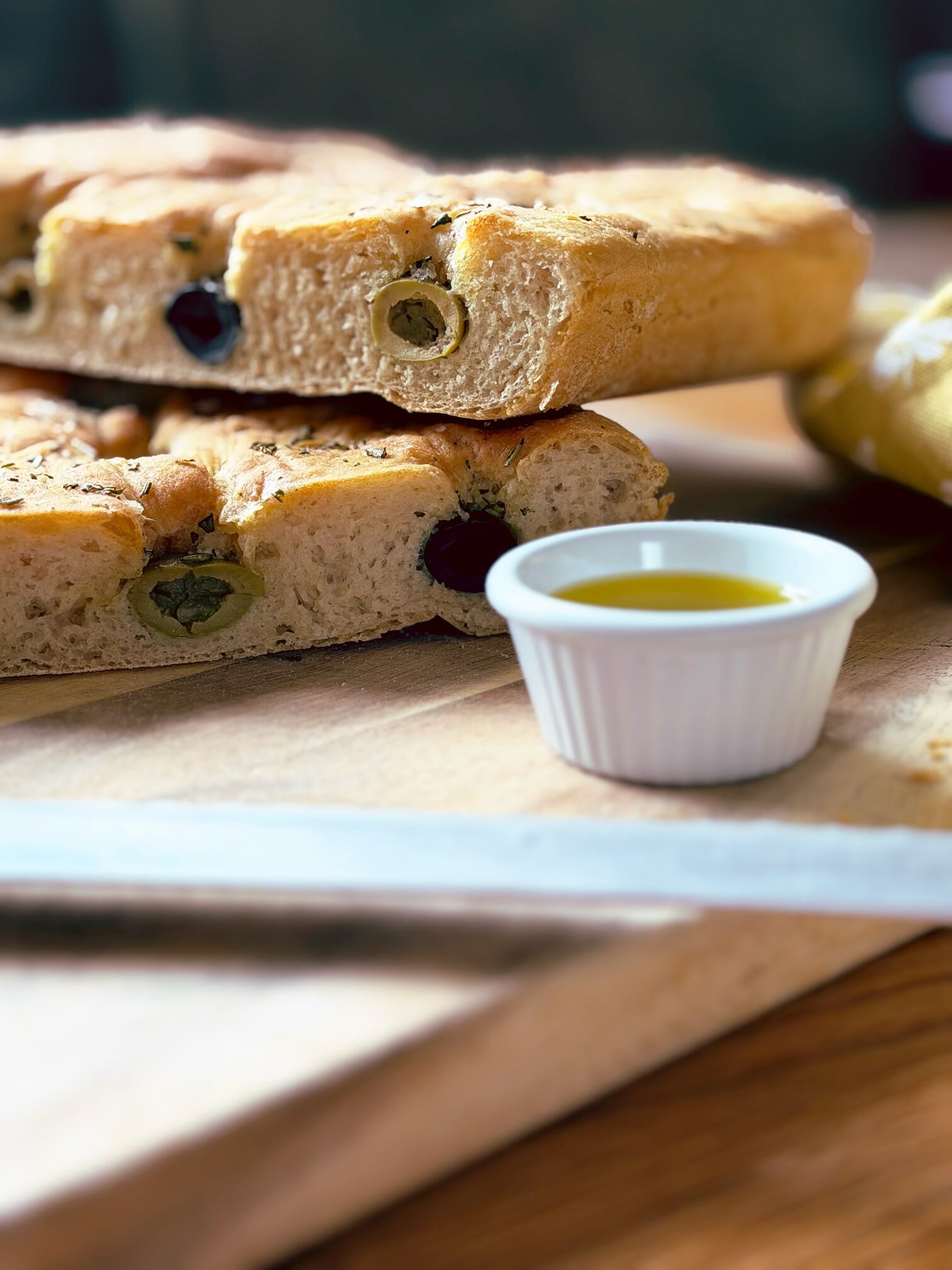
In our house, this olive and rosemary focaccia has become the bread I pull out whenever we're planning a "fancy" family picnic – It's soft, golden and perfect for tearing and sharing, which is probably why it disappears faster than anything else I bake.
I use it as the base for some of our favourite picnic sandwiches, like my Pesto Chicken Caprese Sandwich and my Mediterranean Roasted Veg & Baba Ganoush Sandwich – both sit beautifully inside this focaccia. Whether we're heading out for a picnic or just making a simple lunch at home, this bread always feels a bit special without any extra effort
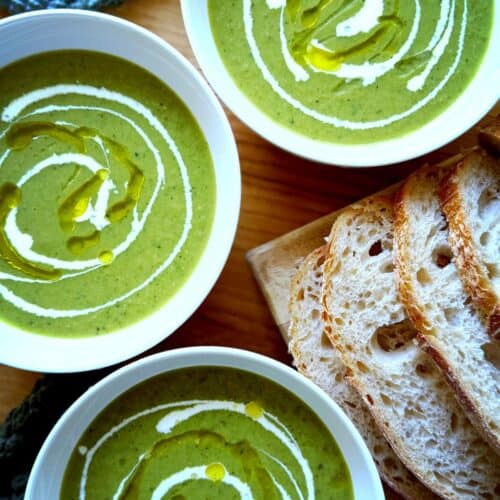
This homemade bread also works really well with my Irish, bacon, cabbage and potato soup for a filling, delicious and low budget meal.
Jump to:
Ingredients and substitutions
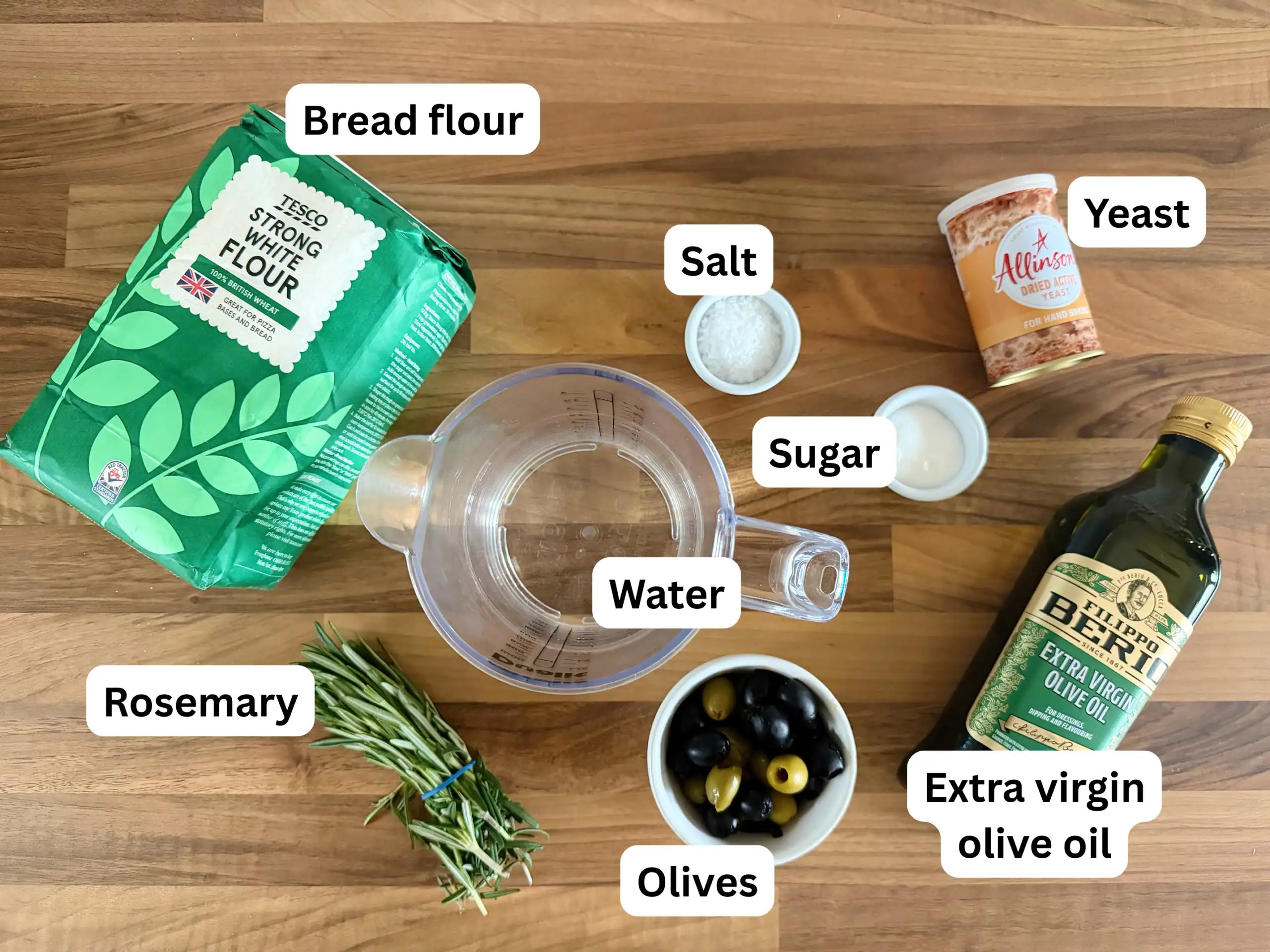
See recipe card for full ingredient list with quantities.
- Bread flour – Gives the focaccia its classic chewy, airy texture. You can swap for strong white flour or even plain flour in a pinch, though the rise will be slightly softer.
- Lukewarm water – Helps activate the yeast and brings the dough together. Make sure it's warm, not hot, so the yeast stays happy.
- Dried active yeast – Essential for that light, bubbly focaccia crumb. Instant yeast works too – no need to activate it first.
- Sugar – Just a small amount to help the yeast activate. Honey works as a natural alternative.
- Salt – For seasoning the dough and balancing the flavours. Don't skip it – focaccia needs salt to shine.
- Extra‑virgin olive oil – The hero ingredient. It flavours the dough, creates that golden crust and gives focaccia its signature richness. Use the best you have; it really makes a difference.
- Olives – Add salty, briny pops of flavour. Use green, black or a mix – whatever your family prefers.
- Fresh rosemary – Classic focaccia flavour. Thyme works well too, or use dried rosemary if that's what you've got.
How do I make Olive and rosemary focaccia?
This focaccia comes together with a few straightforward steps, and the dough does most of the work for you. Follow the method below for a soft, airy loaf with a crisp, olive‑oil‑rich crust and plenty of rosemary flavour
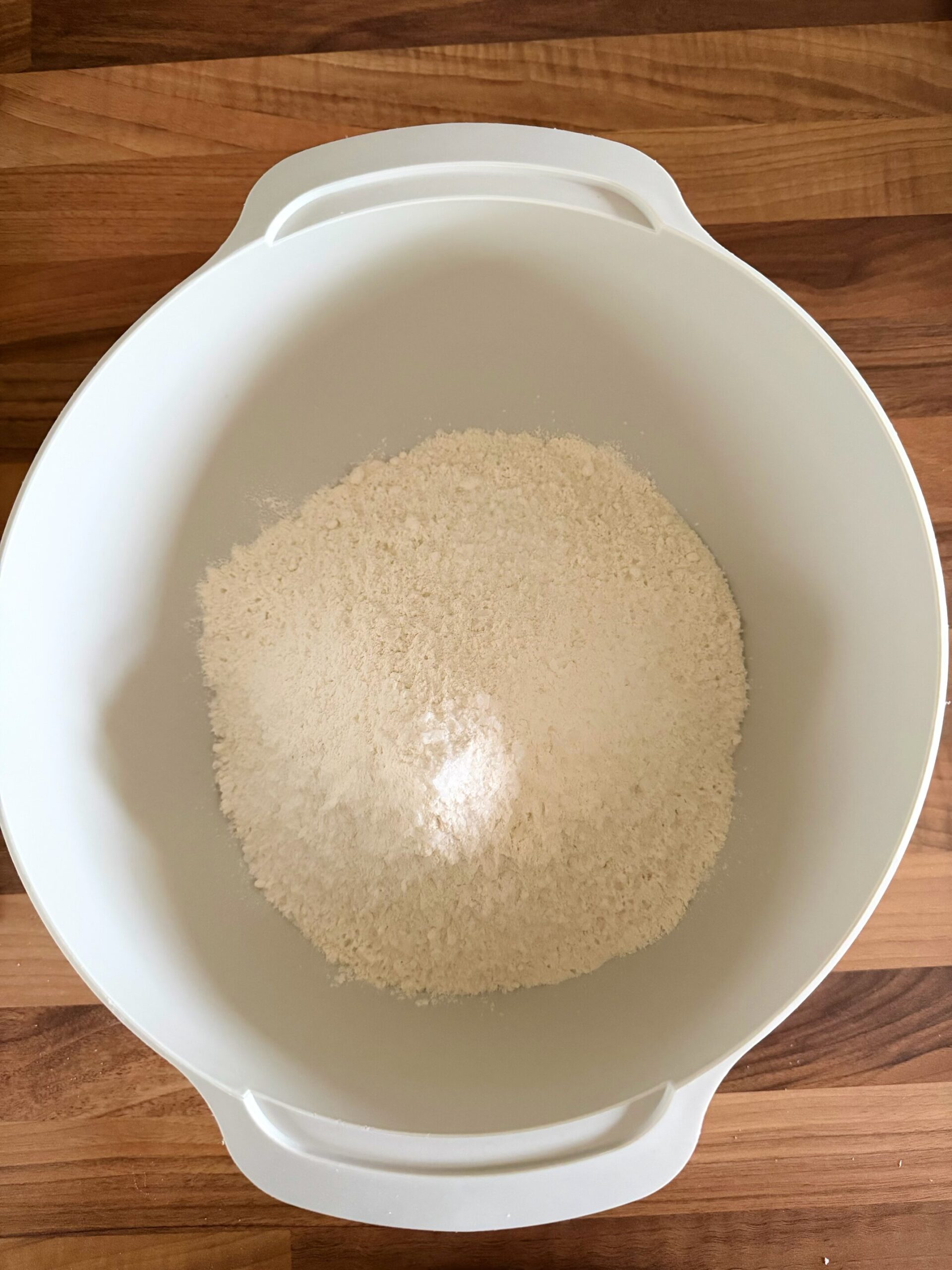
Step 1: Mix the dry ingredients – Add the salt to the flour in a large mixing bowl and stir to combine.
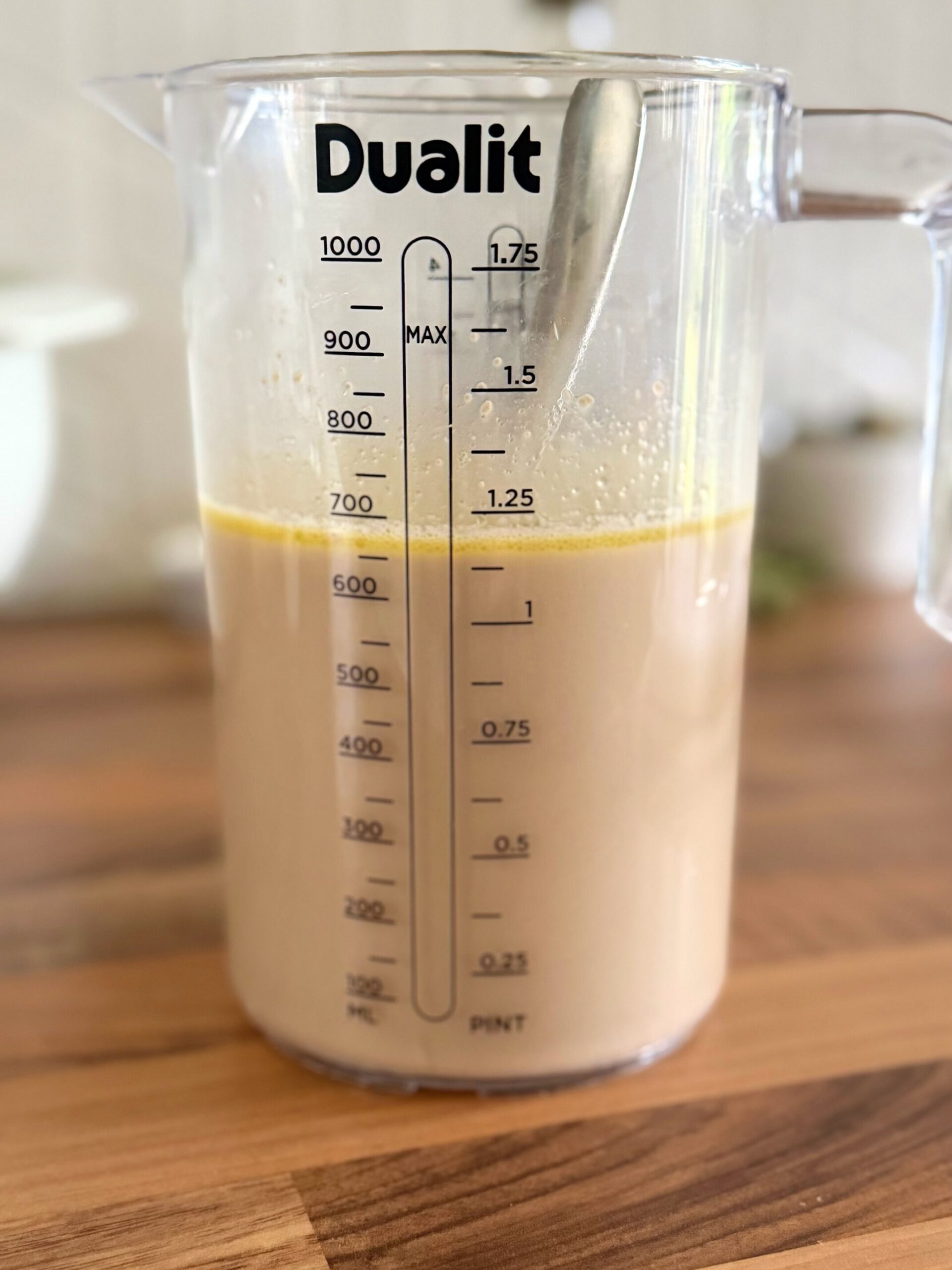
Step 2: Activate the yeast – In a jug, mix the lukewarm water with the olive oil, yeast and sugar. Stir well and leave for a minute to start activating.
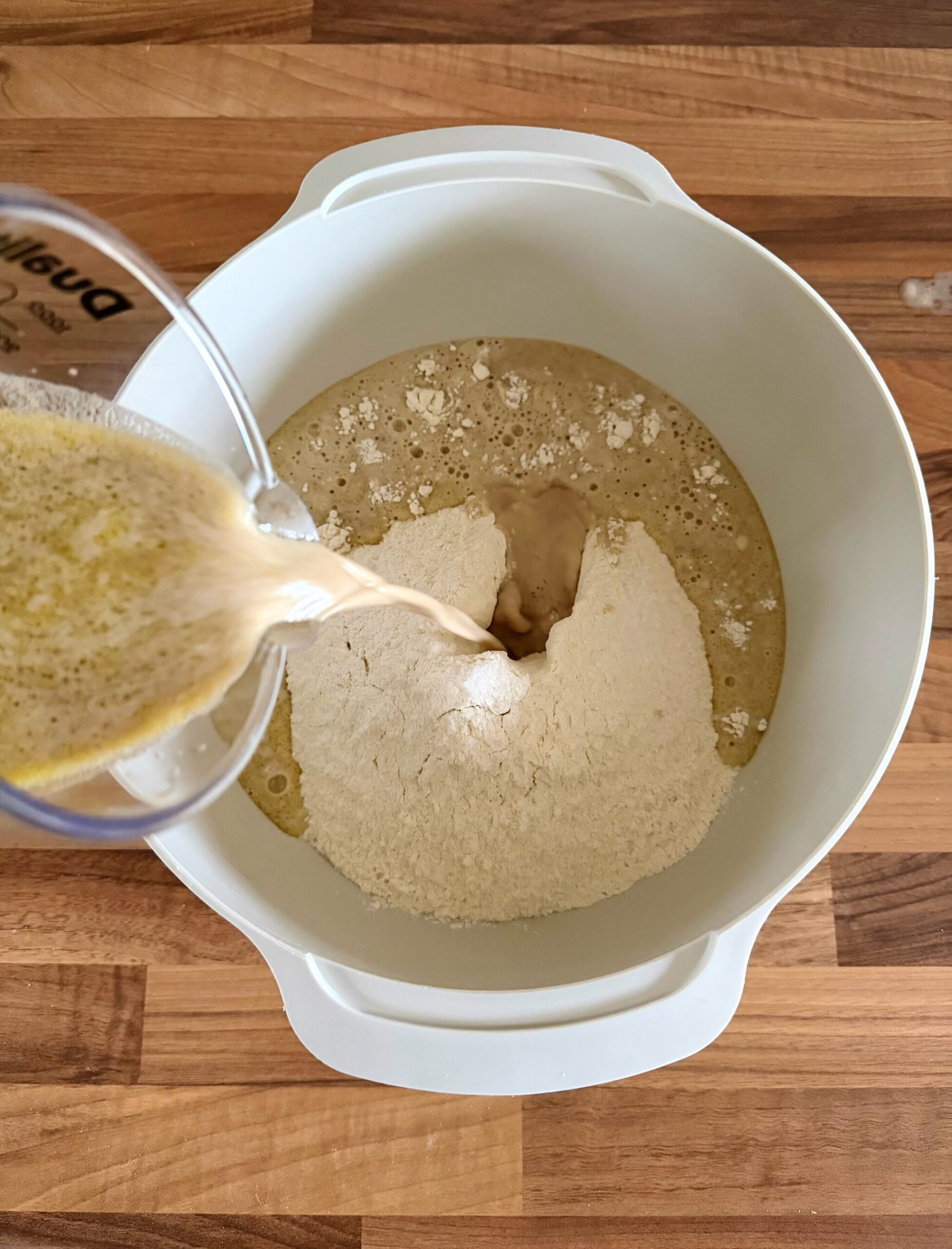
Step 3: Make the dough – Pour the wet ingredients into the flour and mix until you have a shaggy dough.
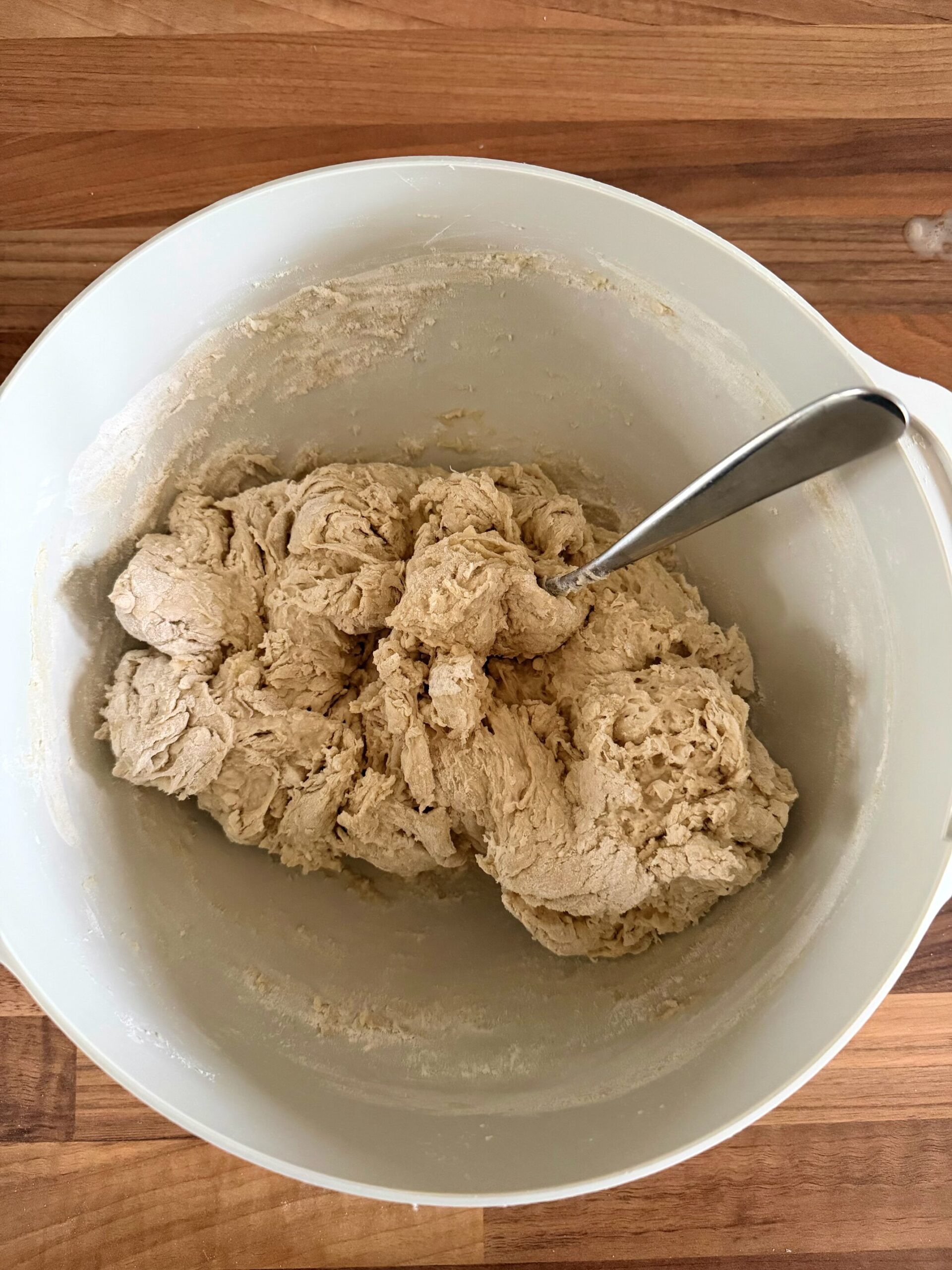
Step 4: Knead – Tip the dough onto a lightly floured work surface. Knead for 8-10 minutes, adding a little flour as needed to stop it sticking. The dough should feel soft and slightly loose.
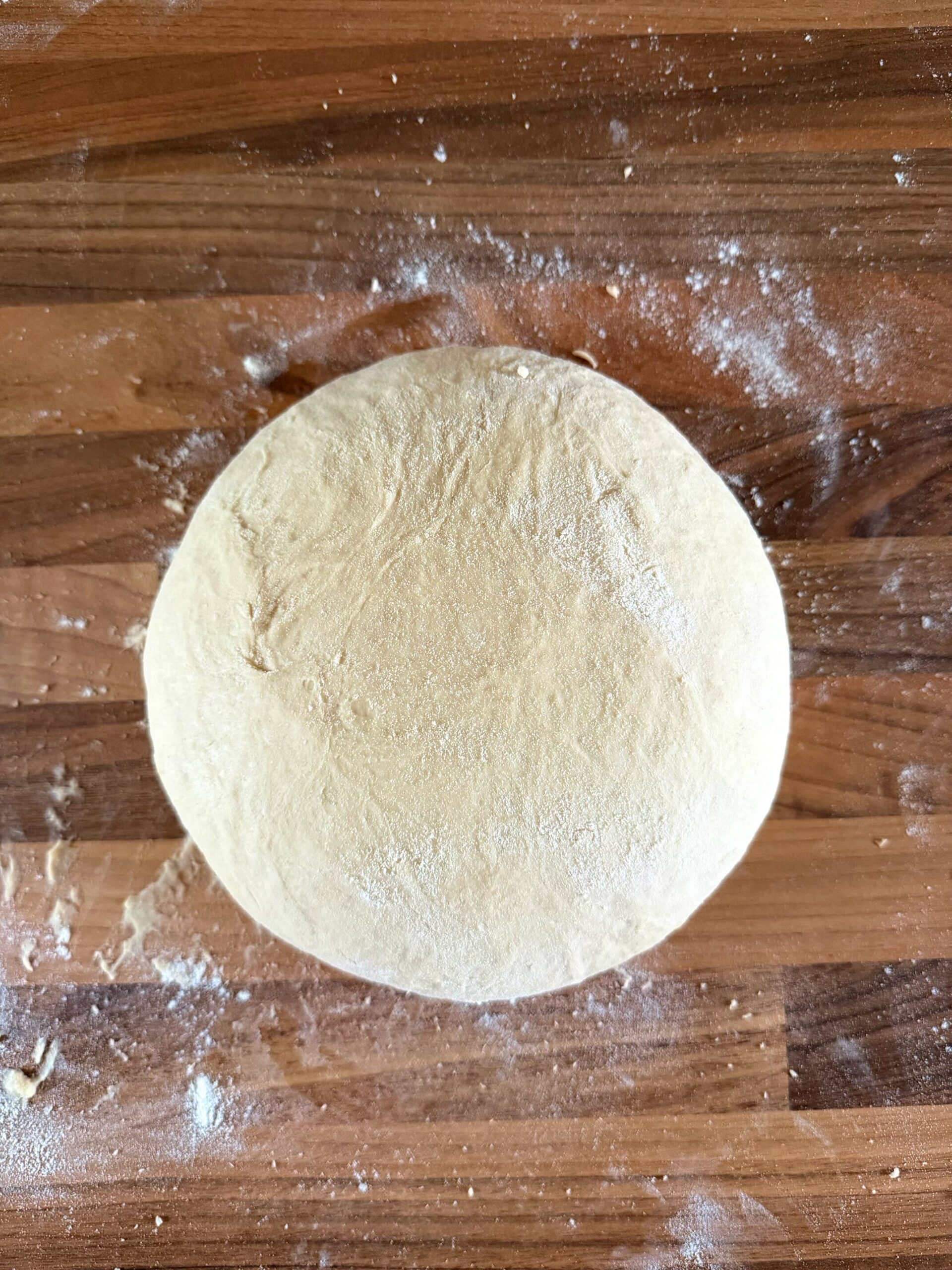
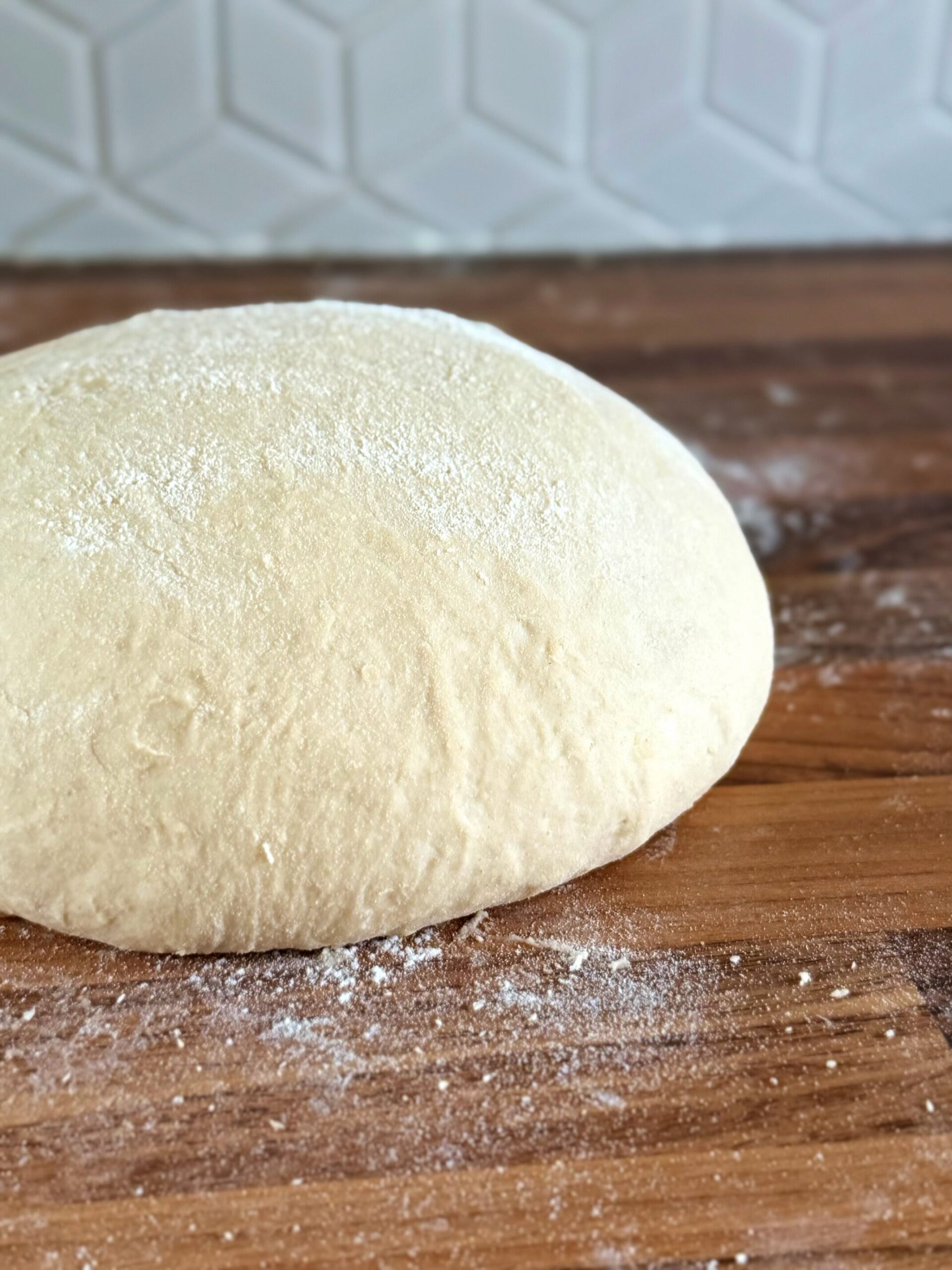
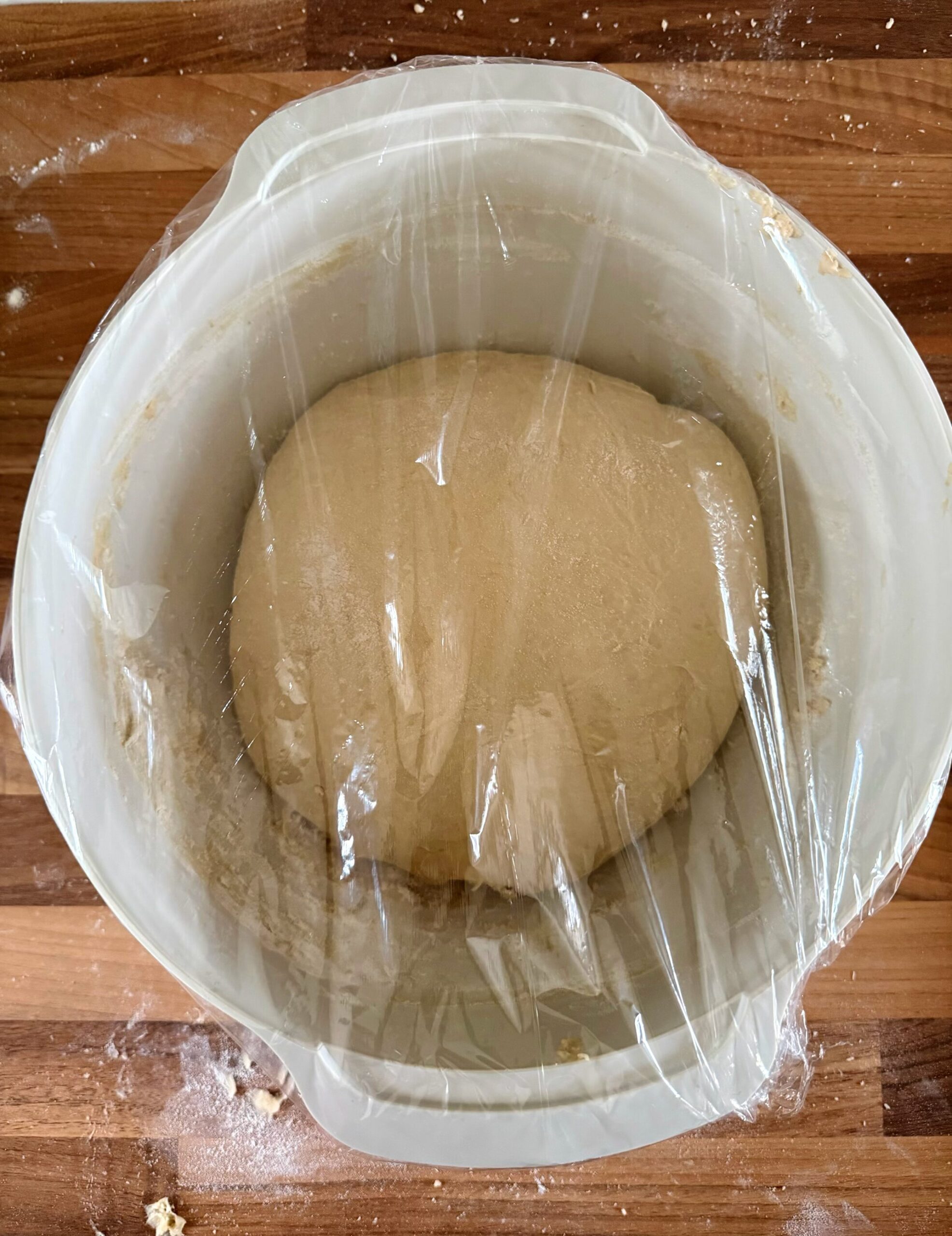
Step 5: First prove – Place the dough into a clean, lightly oiled bowl. Cover with a damp tea towel or cling film and leave to prove for 1-2 hours, or until doubled in size
Step 6: Prep the trays – Oil and lightly flour two baking trays
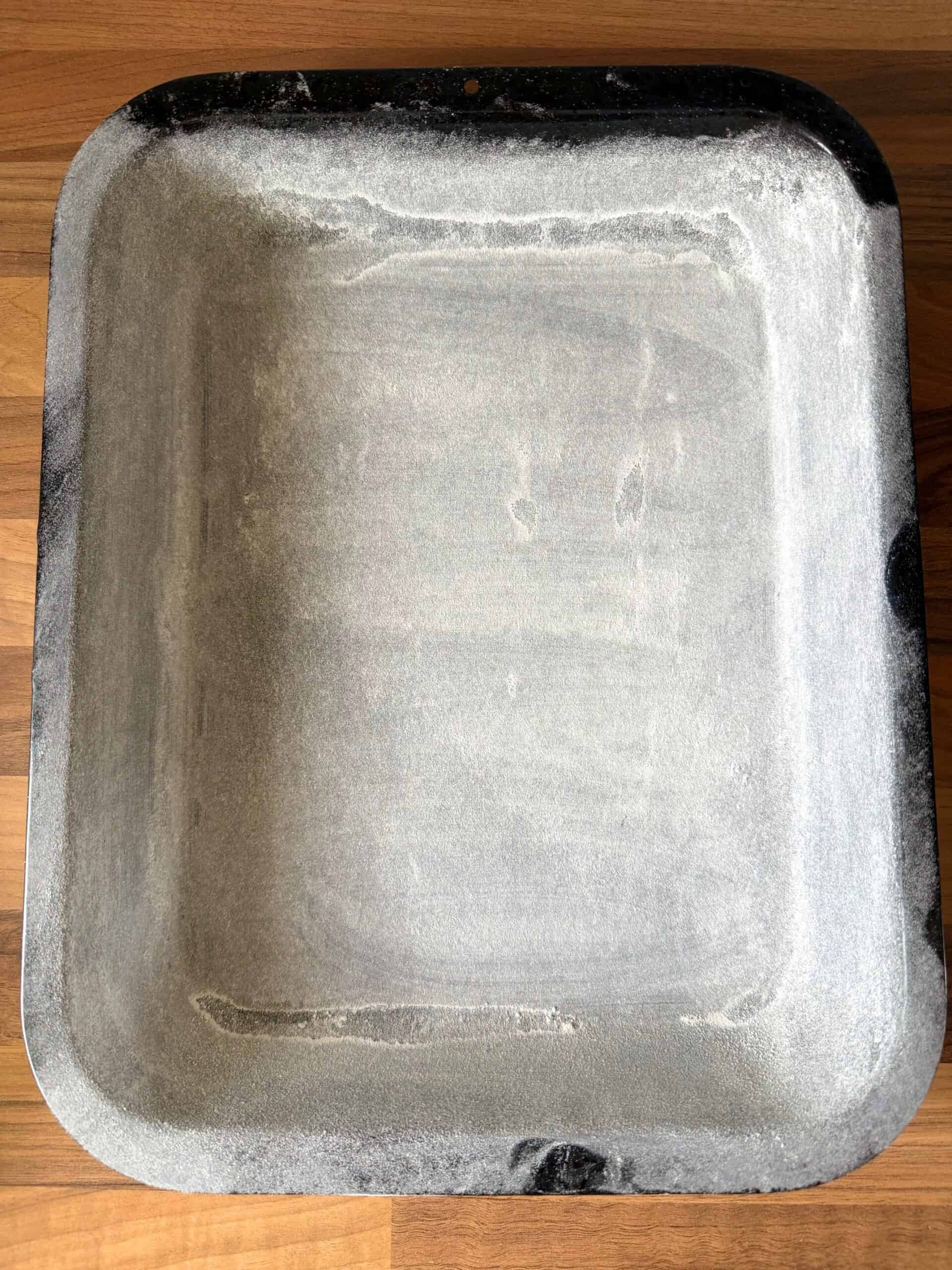
Step 7: Shape – Knock the air out of the dough and turn it onto the work surface. Cut it in half, then gently stretch or roll each piece to fit the trays. Transfer the dough to the trays and spread it to the edges.
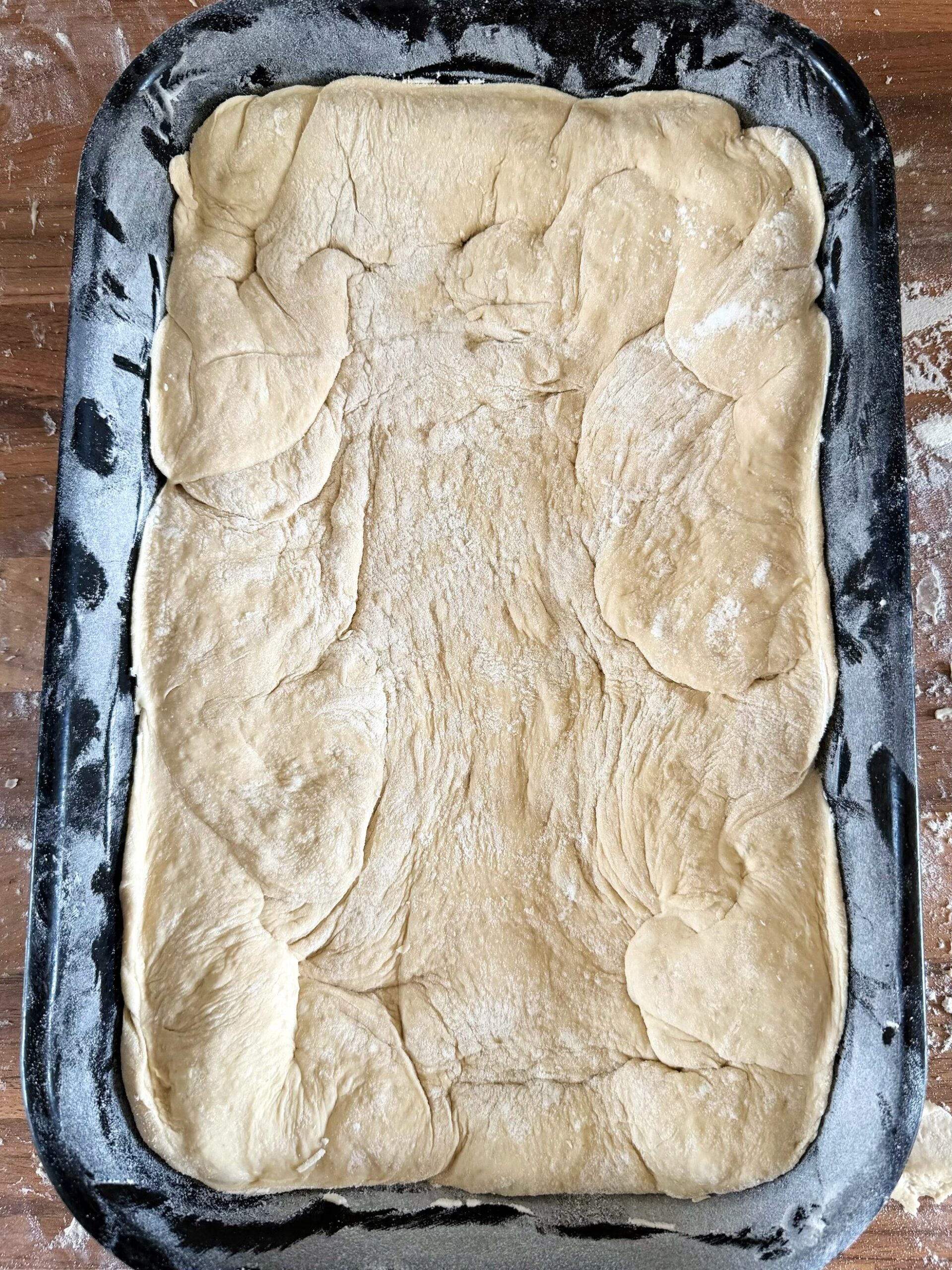
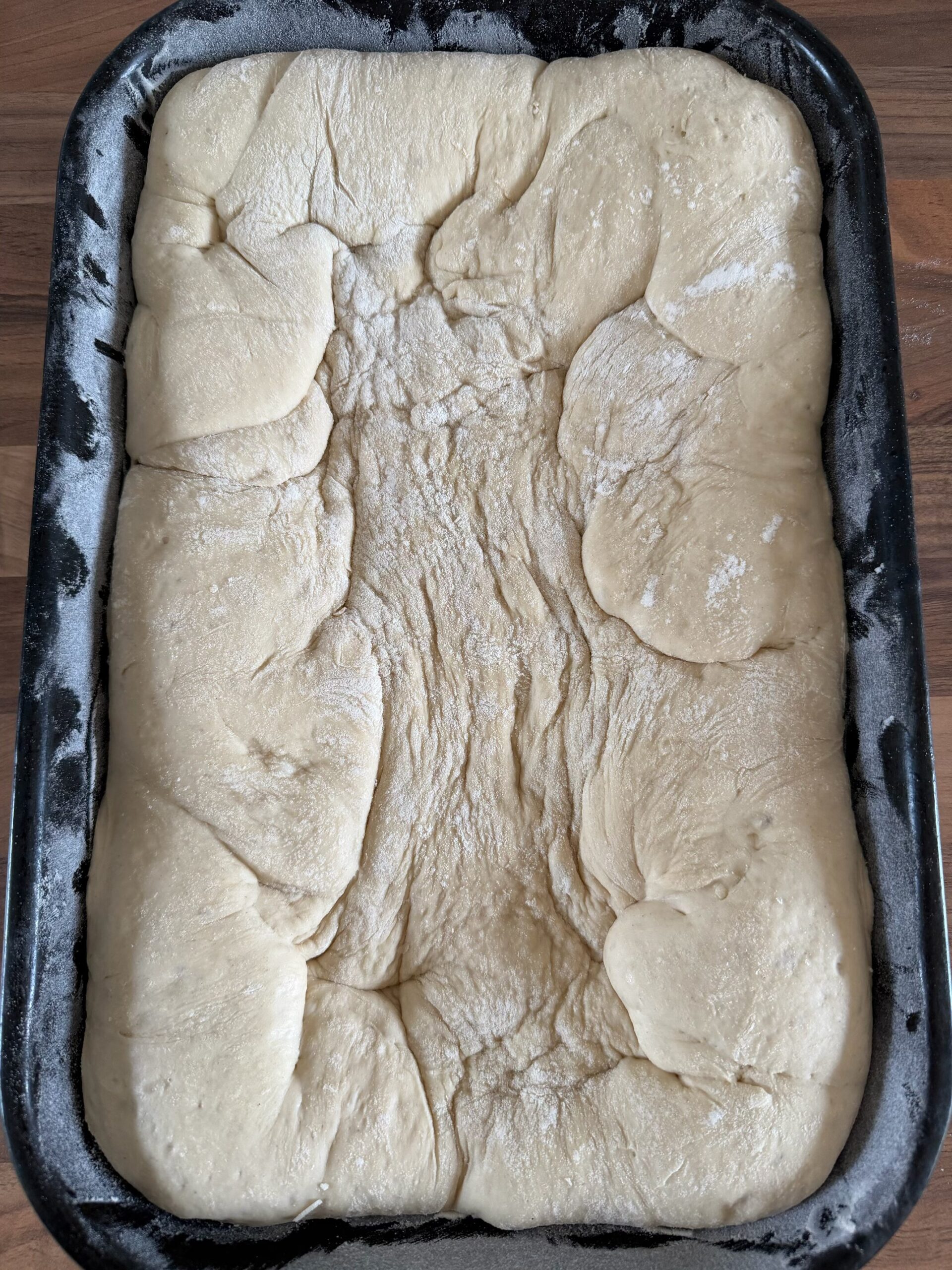
Step 8: Second prove – Leave the dough to prove again for 30-40 minutes, until puffed and doubled in size.
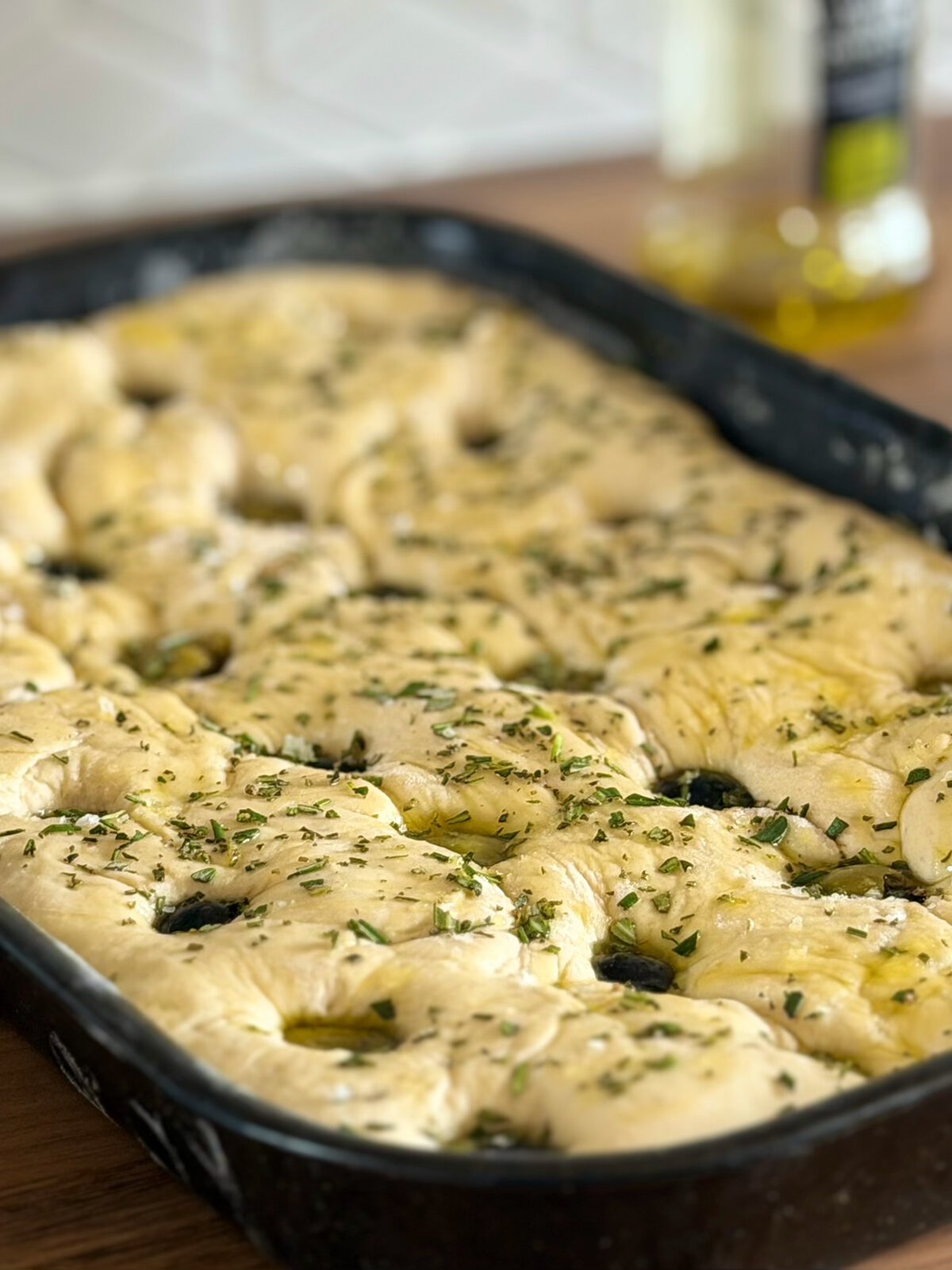
Step 9: Top the focaccia – Press olives deep into the dough. Drizzle generously with extra‑virgin olive oil. Finely chop the rosemary and sprinkle it over the top, followed by a pinch of sea salt.
Step 10: Bake – Bake at 190°C for around 20 minutes, or until golden and crisp on top.
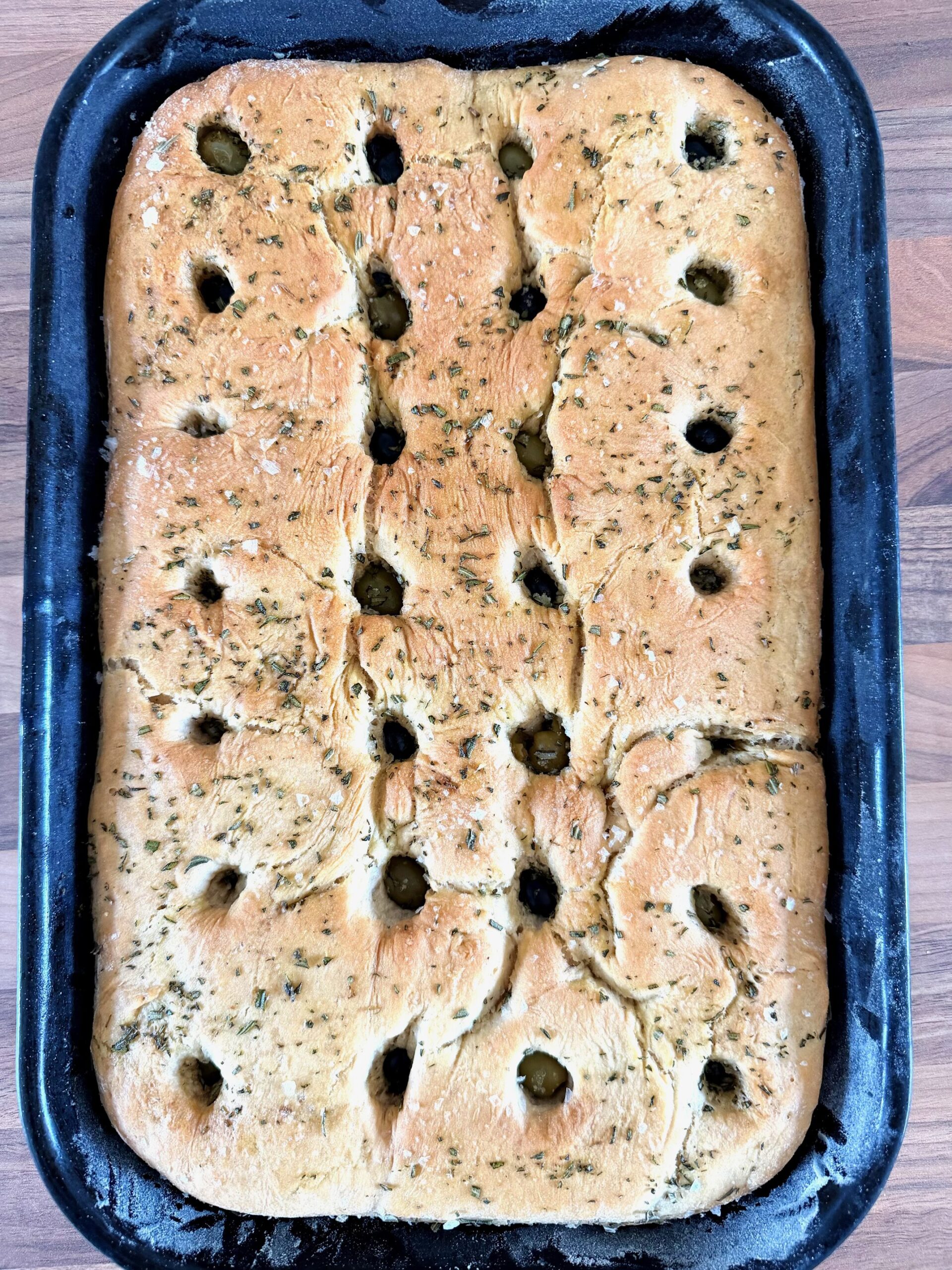
Step 11: Cool & serve – Leave the focaccia to cool in the trays. Slice and serve warm or at room temperature.
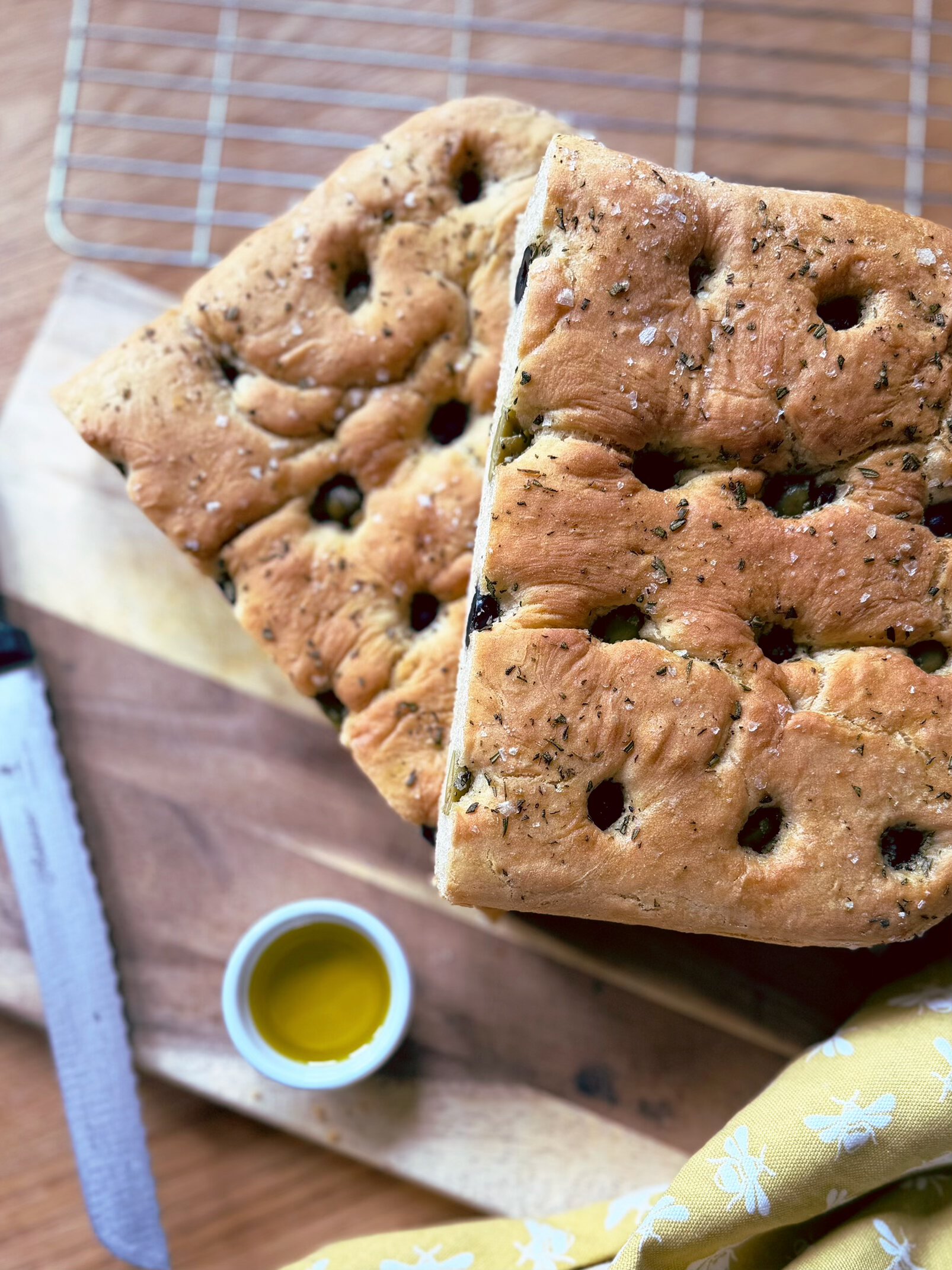
Serving suggestions
- Picnic centrepiece – Slice the focaccia into big squares and pack it warm – it's perfect for tearing and sharing straight from the blanket.
- Sandwich base – Use it to build your Pesto Chicken Caprese Sandwich or Mediterranean Roasted Veg & Baba Ganoush Sandwich for an easy but "fancy" picnic lunch.
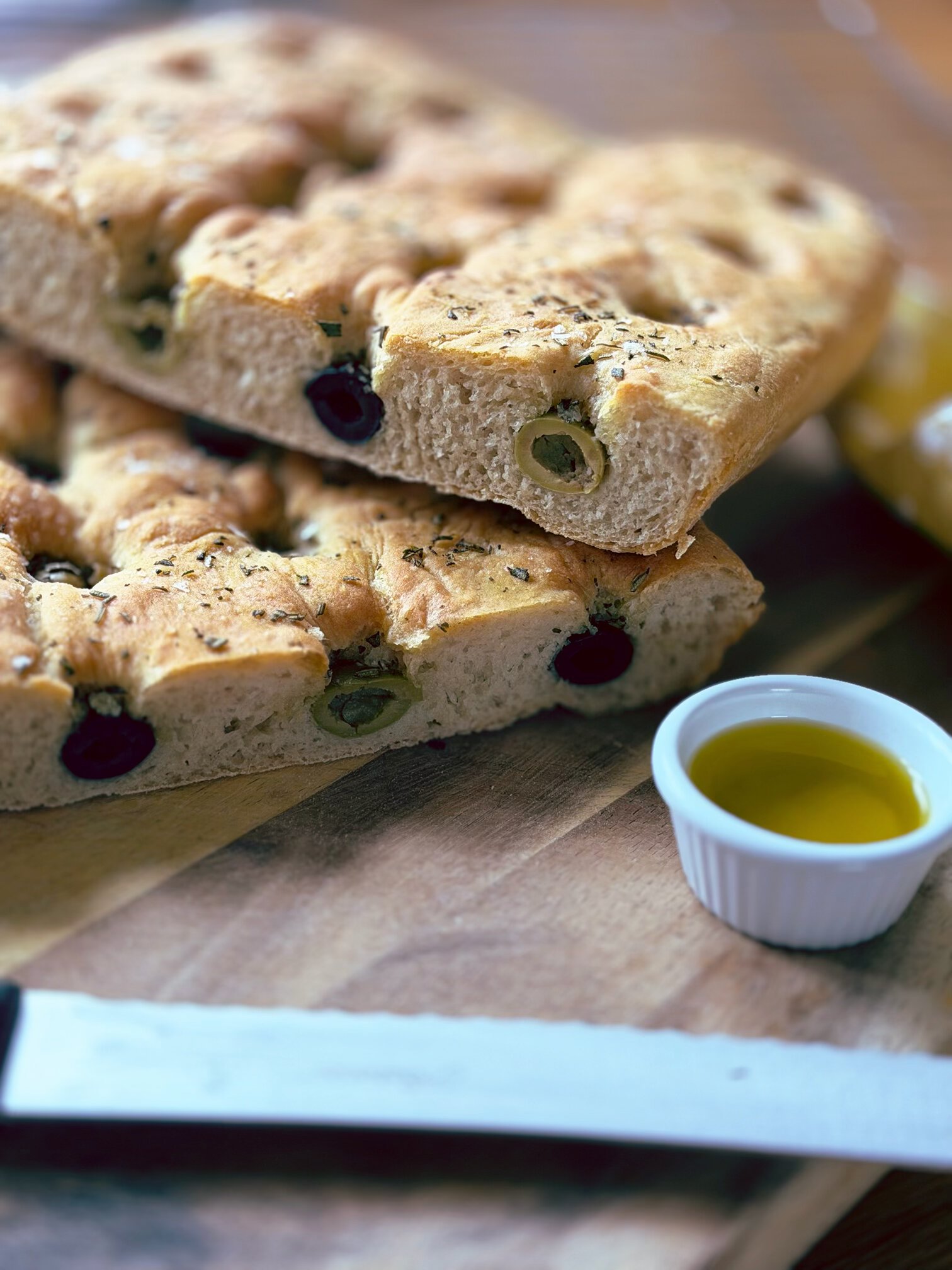
- Dipping bread – Serve with olive oil and balsamic, hummus, baba ganoush or any mezze‑style dips your family loves.
- Soup or salad side – Great alongside tomato soup, minestrone, or a simple green salad for a quick weeknight meal. It’s great with my Irish, bacon, cabbage and potato soup
- Snack board hero – Add it to a grazing board with olives, cheeses, roasted peppers and cured meats – it always disappears first
Variations
Storage and freezing
- Storage – Keep the focaccia in an airtight container at room temperature for 2-3 days – the olive oil helps it stay soft. To refresh it, warm slices in the oven at 160°C for 5-8 minutes to bring back the crisp top and tender centre. Avoid storing it in the fridge, as it dries out quickly.
- Freezing – You can freeze the focaccia whole or in pieces. Wrap it tightly in baking paper and foil, or place it in a freezer bag, and freeze for up to 3 months. Defrost at room temperature, then pop it into a warm oven for 5-10 minutes to revive the texture and flavour

- Use the best extra‑virgin olive oil you've got. It makes a huge difference to the flavour and helps create that classic golden crust you want in focaccia bread.
- Don't be shy with the dimples. Pressing deep pockets into the dough helps the oil, olives and rosemary settle in properly.
- If you're planning a picnic, bake it in a slightly smaller tin for a taller loaf - perfect for slicing into focaccia sandwiches like your Pesto Chicken Caprese or Roasted Veg & Baba Ganoush.
- For the softest crumb, use bread flour – it gives that classic Italian bakery feel you want in a focaccia Italian recipe.
- Let it cool before slicing. Warm focaccia is tempting, but cutting too early can squash the airy texture you worked for.
FAQ
Can you put rosemary in focaccia dough?
Yes – fresh rosemary works beautifully mixed into the dough or sprinkled on top before baking. It infuses the bread with flavour and gives that classic focaccia aroma
Will dried Rosemary work in focaccia?
It will. Dried rosemary won't be as fragrant as fresh, but it still adds great flavour. Rub it between your fingers before adding it to release more of the oils
How unhealthy is focaccia bread?
Focaccia is richer than some breads because of the olive oil, but it's still a simple mix of flour, water, yeast and salt. The olive oil adds fat, but it also brings flavour and helps create that soft, airy texture. Enjoyed in moderation -especially as part of a balanced meal or picnic spread – it's absolutely fine
Can I make focaccia ahead of time?
Yes – focaccia is great made earlier in the day. It stays soft for hours and can be refreshed in the oven if you want that just‑baked feel.
Why is my focaccia dense instead of airy?
This usually comes down to under‑proving or water temperature. Make sure the dough has doubled in size and that your water is lukewarm, not hot.
Can I use plain flour instead of bread flour?
You can, and it will still taste great, but the texture will be slightly softer. Bread flour gives that classic chewy, airy crumb you expect from focaccia.
Did you enjoy this recipe? have a question? It would mean so much to me if you please leave a comment and a rating below!
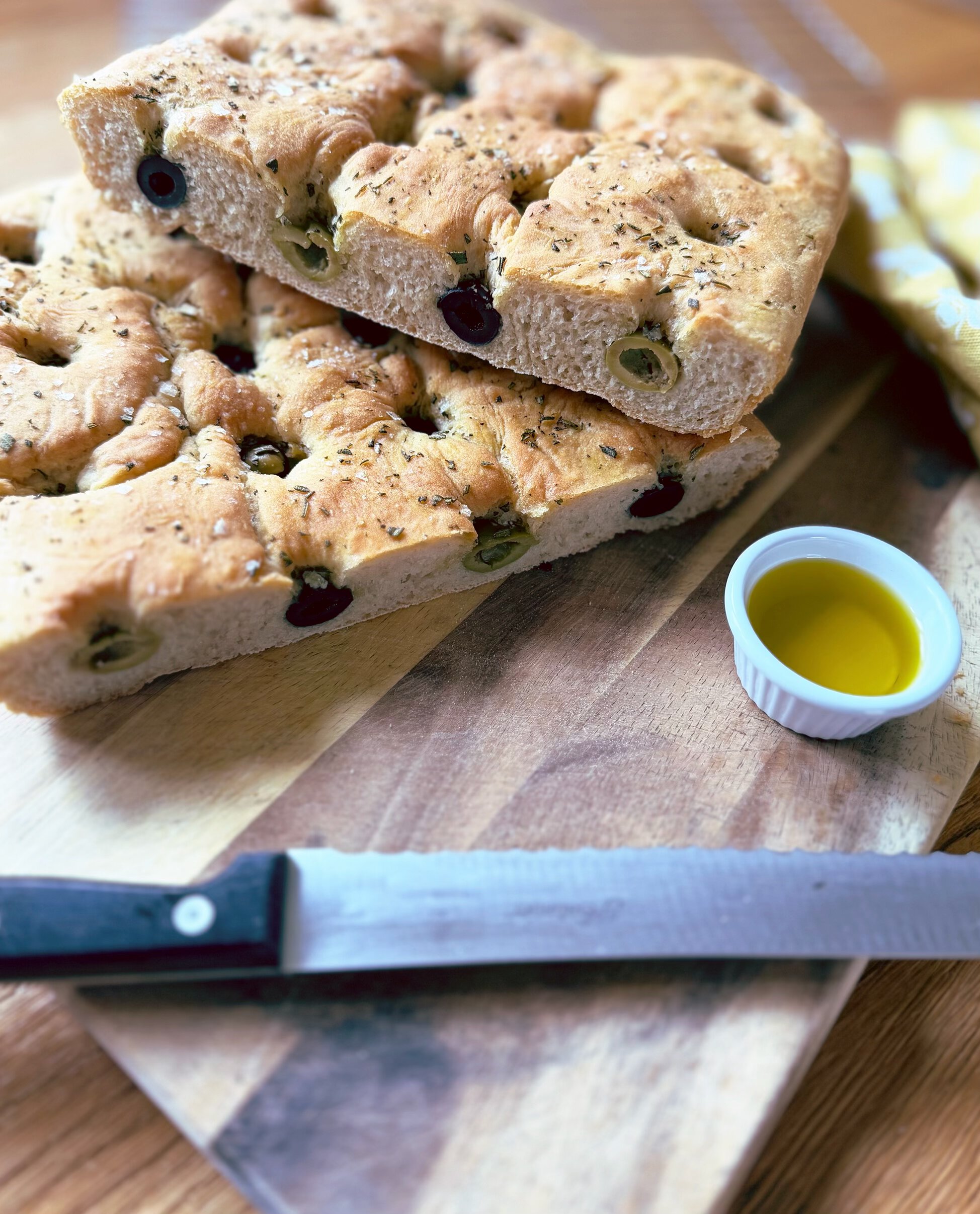
Olive and rosemary focaccia
Ingredients
- 750 grams bread flour
- 15 grams salt
- 15 grams sugar
- 25 grams dried active yeast
- 30 grams extra virgin olive oil
- 600 ml luke warm water
- handful Black and green olives
- 5 sprigs fresh rosemary
- 1 tablespoon sea salt
Instructions
- Mix the dry ingredients – Add the salt to the flour in a large mixing bowl and stir to combine.
- Activate the yeast – In a jug, mix the lukewarm water with the olive oil, yeast and sugar. Stir well and leave for a minute to start activating.
- Make the dough – Pour the wet ingredients into the flour and mix until you have a shaggy dough.
- Knead – Tip the dough onto a lightly floured work surface. Knead for 8-10 minutes, adding a little flour as needed to stop it sticking. The dough should feel soft and slightly loose.
- First prove – Place the dough into a clean, lightly oiled bowl. Cover with a damp tea towel or cling film and leave to prove for 1-2 hours, or until doubled in size
- Prep the trays – Oil and lightly flour two baking trays
- Shape – Knock the air out of the dough and turn it onto the work surface. Cut it in half, then gently stretch or roll each piece to fit the trays. Transfer the dough to the trays and spread it to the edges.
- Second prove – Leave the dough to prove again for 30-40 minutes, until puffed and doubled in size.
- Top the focaccia – Press olives deep into the dough. Drizzle generously with extra‑virgin olive oil. Finely chop the rosemary and sprinkle it over the top, followed by a pinch of sea salt.
- Bake – Bake at 190°C for around 20 minutes, or until golden and crisp on top.
- Cool & serve – Leave the focaccia to cool in the trays. Slice and serve warm or at room temperature.
Notes
Related

Pairing
These are my favorite dishes to serve with [this recipe]: