This easy homemade baba ganoush is one of those Mediterranean diet recipes I make on repeat – a creamy, smoky aubergine dip that works as both a healthy snack for the kids and a proper grown‑up addition to any mezze spread. It's a vegan recipe that feels effortless, uses simple ingredients, and always tastes better than anything you can buy.
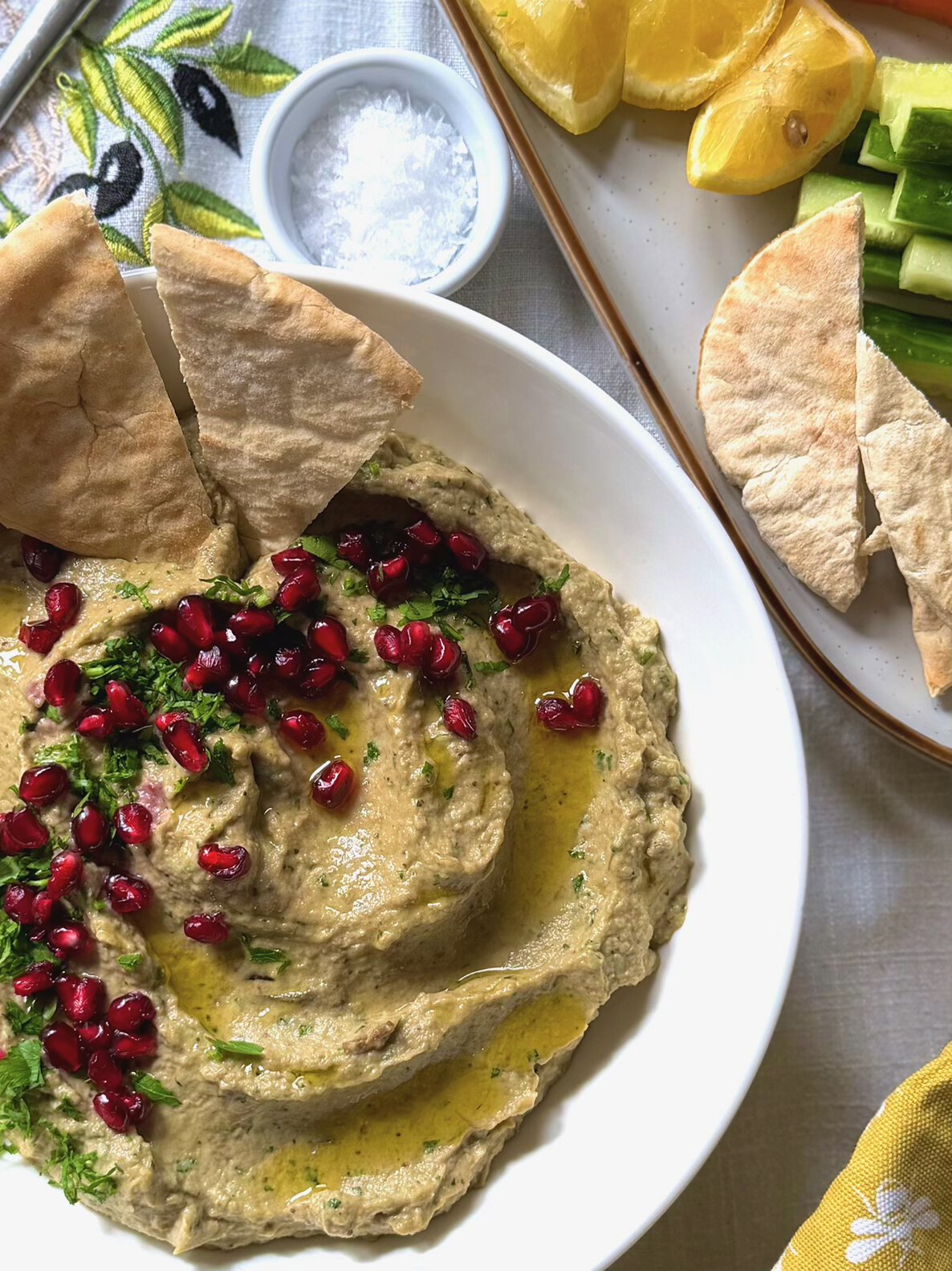
Baba ganoush has become one of those recipes I make far more often than I ever expected – mostly because my 5‑year‑old absolutely loves it. It's one of the only ways I can reliably get him to eat aubergines, and watching him happily scoop up this creamy aubergine dip feels like a win every time.
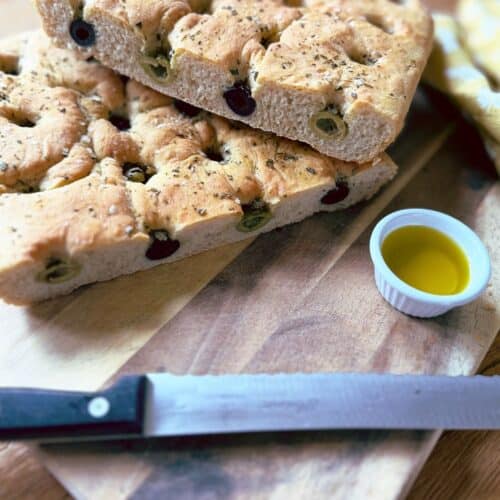
What I love most is how versatile it is. We use it as a quick healthy homemade snack, spread it into wraps for busy weekdays, or build it into bigger meals. It's the star of our Roasted Vegetable & Baba Ganoush Sandwich, and it fits perfectly into our Lebanese Turkey Kofta Mezze Plate. It even works beautifully alongside slices of my Homemade Olive & Rosemary Focaccia for a simple tear‑and‑dip situation.
Jump to:
Ingredients and substitutions
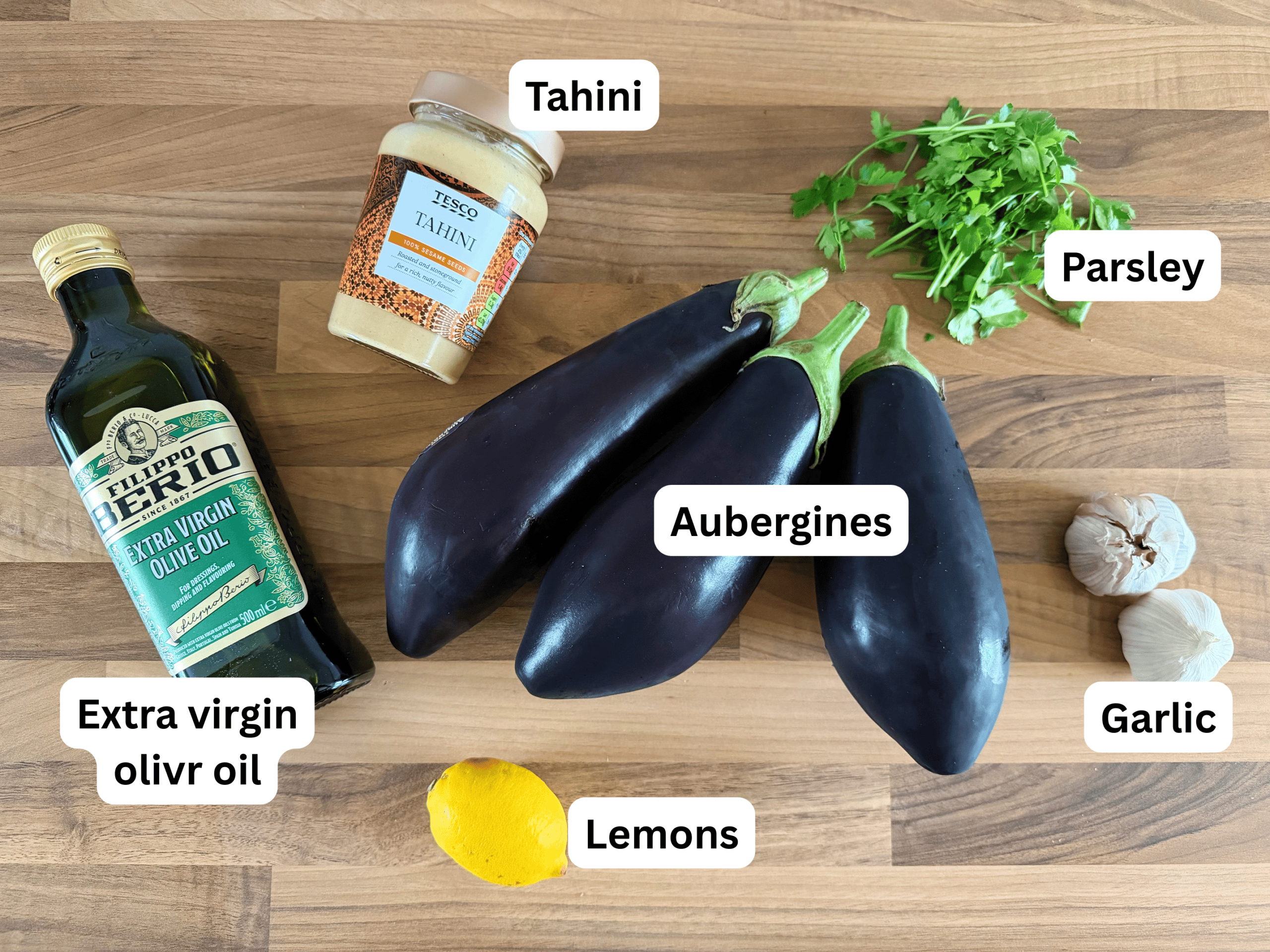
See recipe card for full ingredient list with quantities.
- Aubergines – These are the heart of any good babaganoush. Roasting them gives that smoky, silky texture you want in a proper roasted aubergine dip. If you can't get large aubergines, use smaller ones – just roast a couple extra to get the same amount of flesh.
- Lemon – Fresh lemon juice brightens the dip and balances the richness of the tahini. Bottled lemon juice works in a pinch, but fresh gives the best flavour.
- Extra‑virgin olive oil – Adds richness and helps create that smooth, luxurious finish. Use the best olive oil you have – it really lifts the flavour in Mediterranean dishes.
- Tahini – This sesame paste gives baba ganoush its signature creaminess. If you don't have tahini, you can blend in a spoonful of Greek yoghurt (not vegan) or leave it out entirely for a lighter dip.
- Garlic – Roasted garlic gives a mellow sweetness, while raw garlic adds a punchier flavour. Use whichever suits your taste – or a mix of both.
- Fresh parsley – Adds colour and freshness. You can swap it for coriander or leave it out if you prefer a smoother, more traditional Mediterranean recipe.
How do I make homemade baba ganoush?
This baba ganoush comes together with just a few straightforward steps, and most of the work happens while the aubergines roast. Once they're soft and smoky, everything blends into a smooth, creamy dip that's ready in minutes.
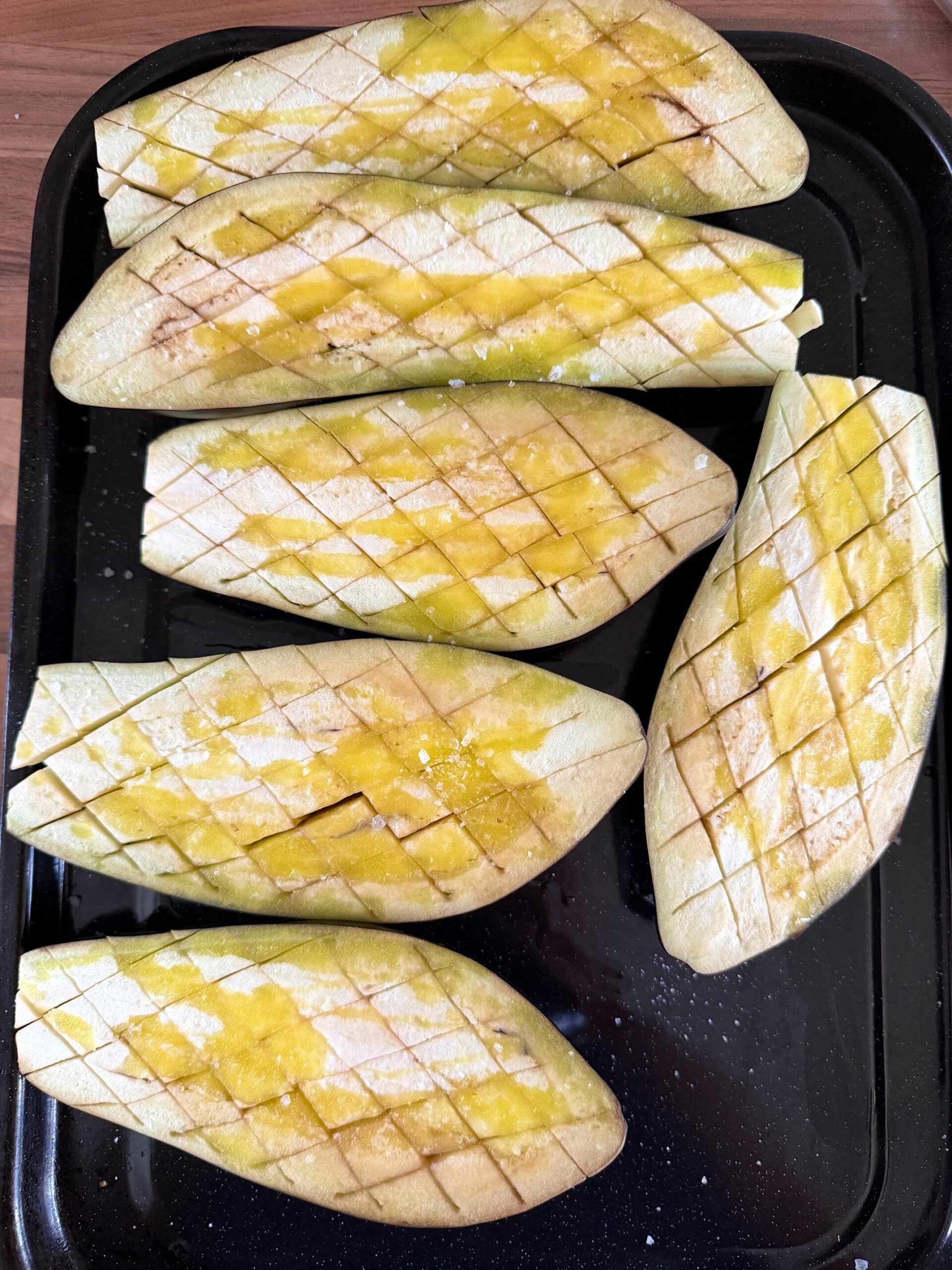
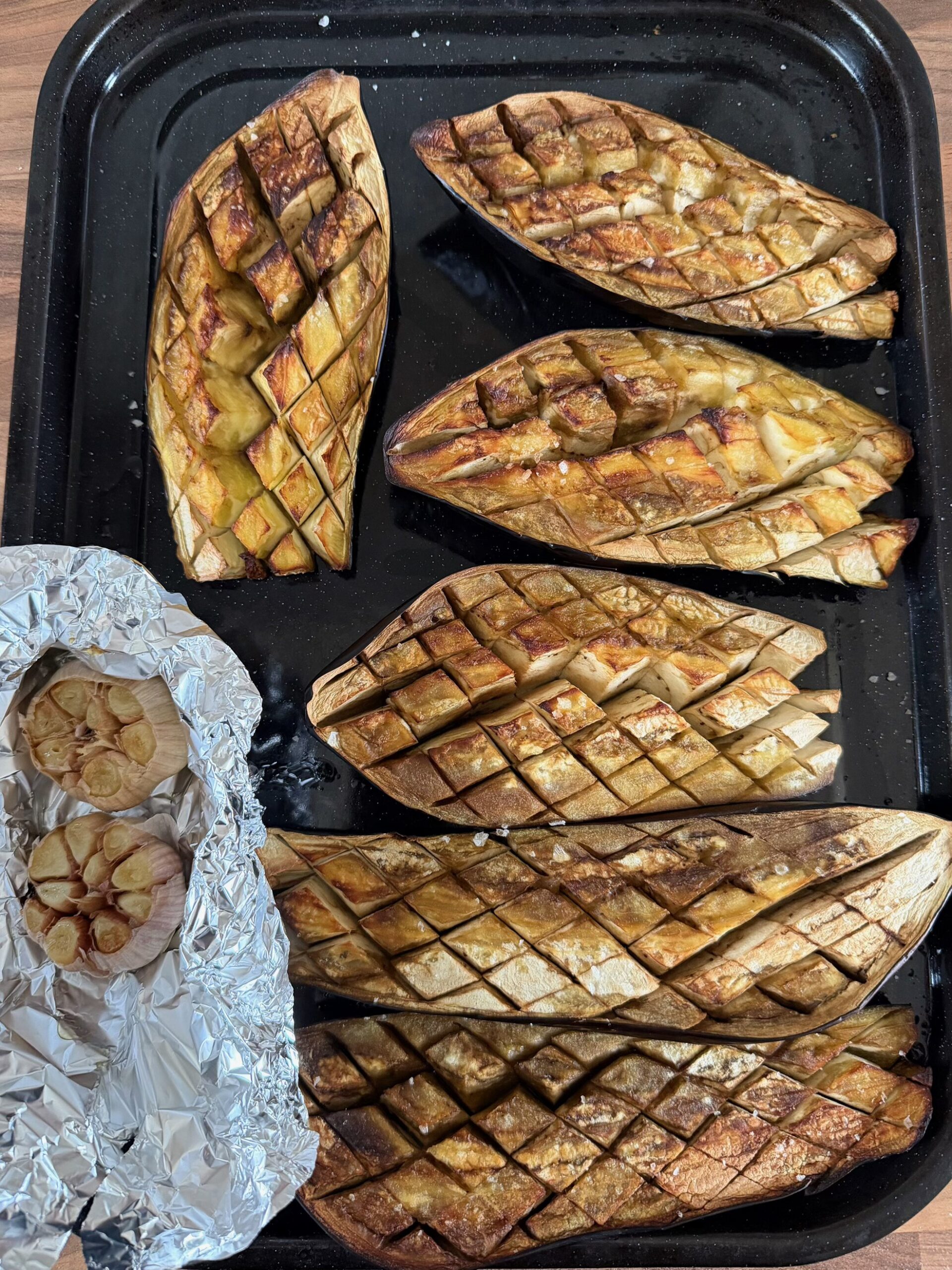
1: Prep the aubergines – Slice the aubergines in half lengthways. Score the flesh in a criss‑cross pattern, then drizzle with olive oil and season with salt and pepper. Place cut‑side up on a baking tray.
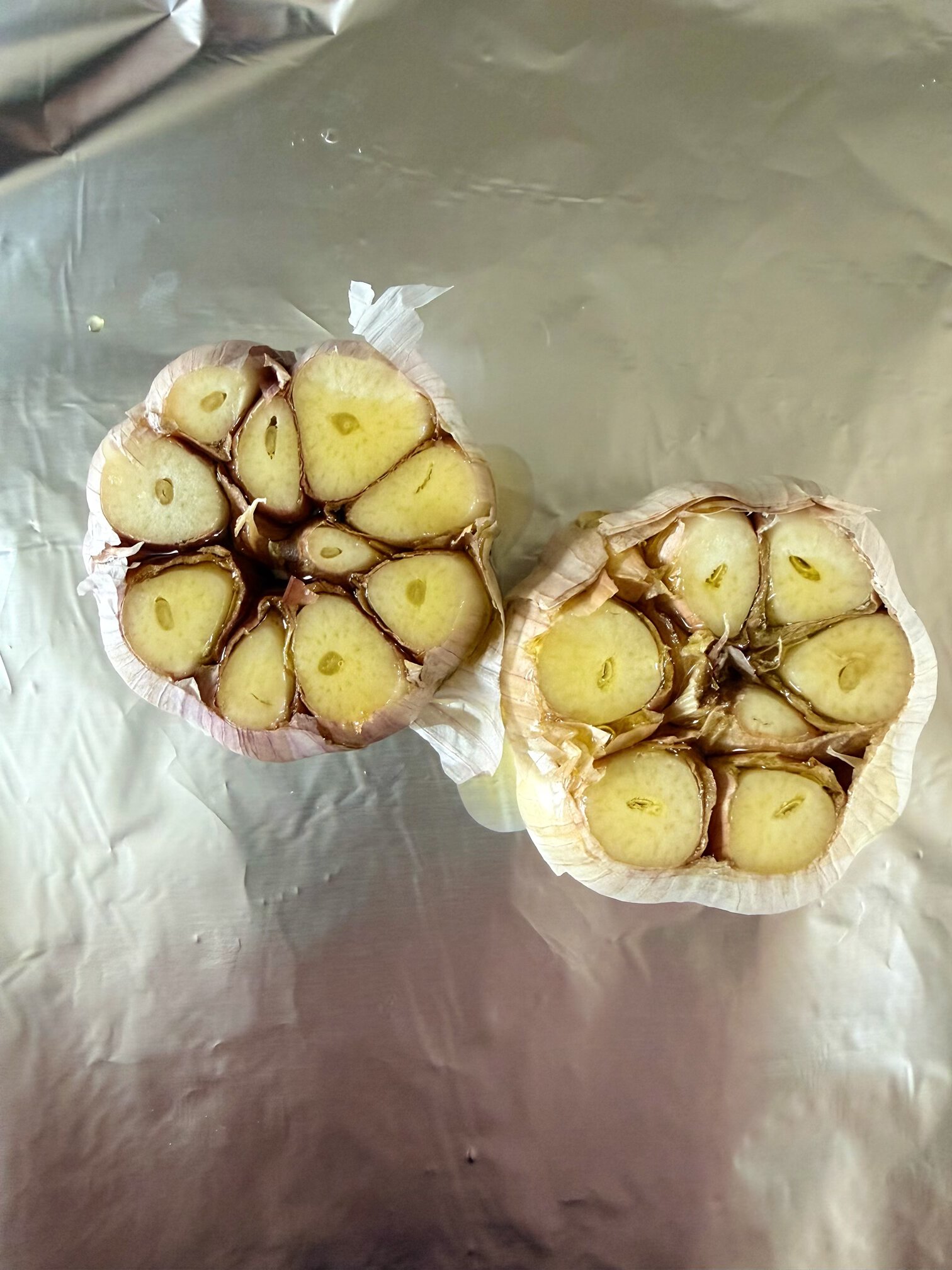
2: Roast – Cut the tops off the garlic bulbs, drizzle with a little oil, wrap in foil and place on the same tray. Roast everything at 190°C for 35-40 minutes, until the aubergines are soft and collapsing.
3: Cool – Remove the tray from the oven and leave the aubergines and garlic to cool until you can handle them comfortably.
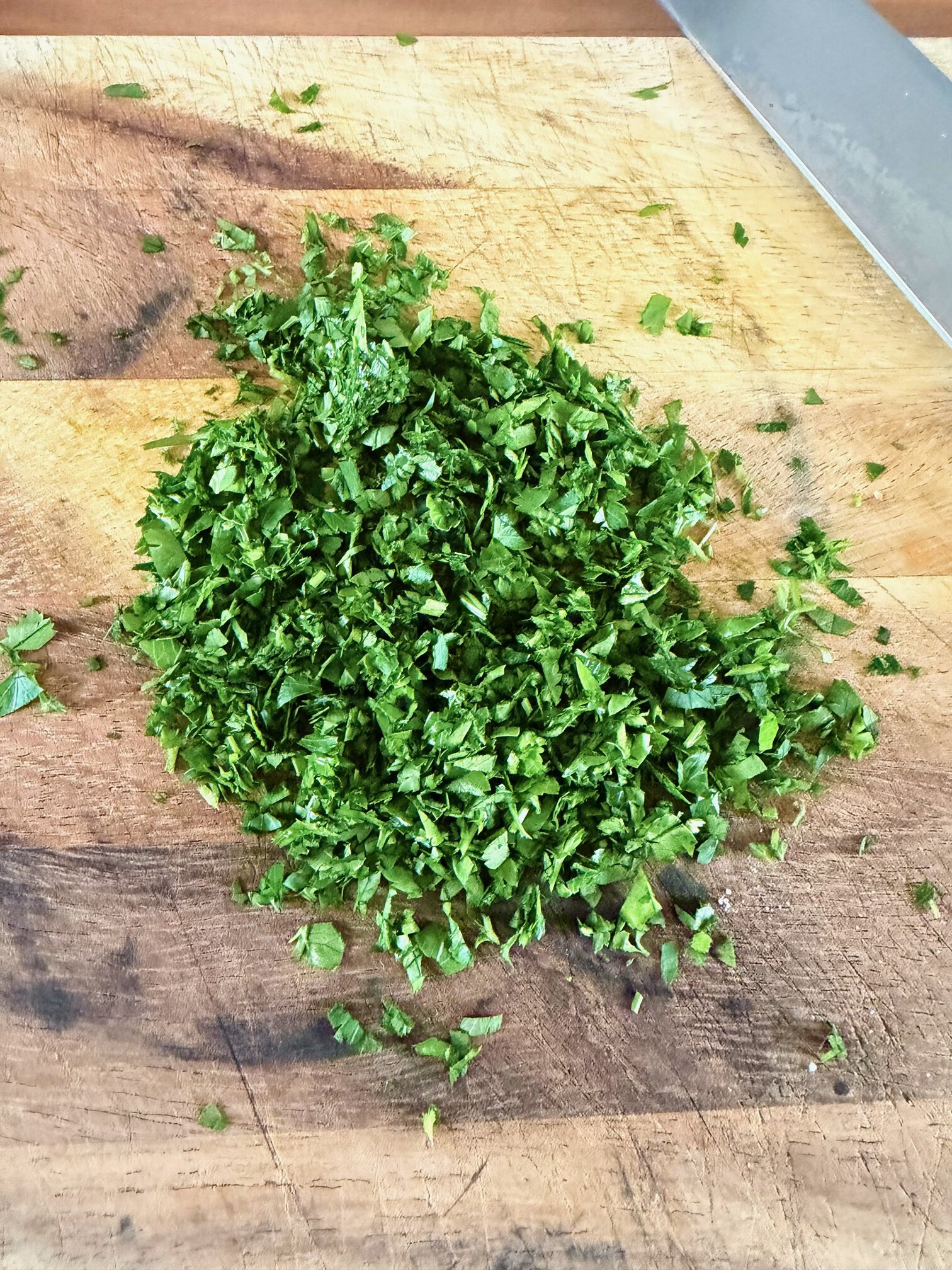
4: Prep the herbs – Finely chop a handful of fresh parsley and set aside.
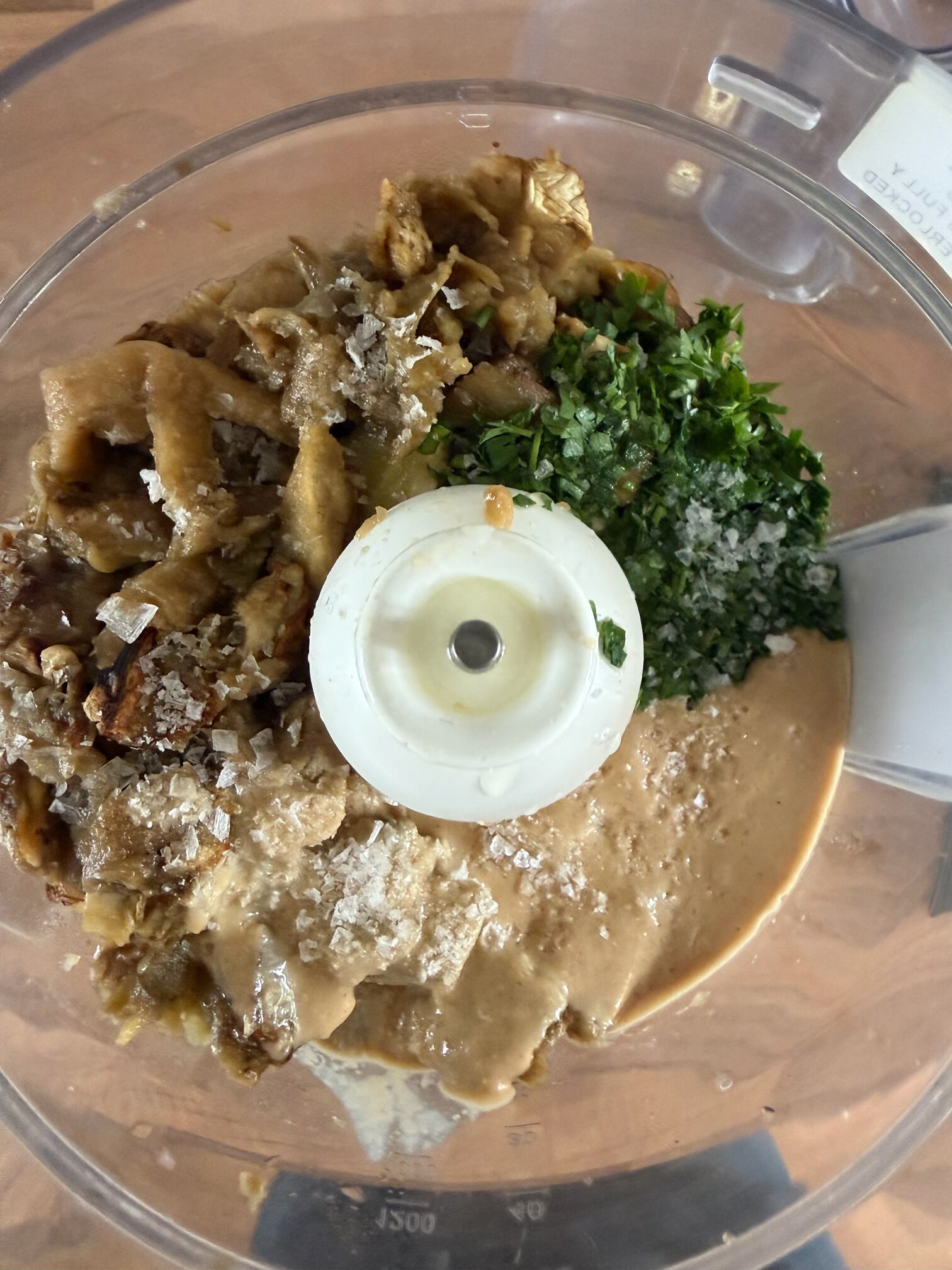
5: Scoop & squeeze – Use a spoon to scoop the soft aubergine flesh into a food processor. Squeeze the roasted garlic cloves out of their skins and add them to the processor.
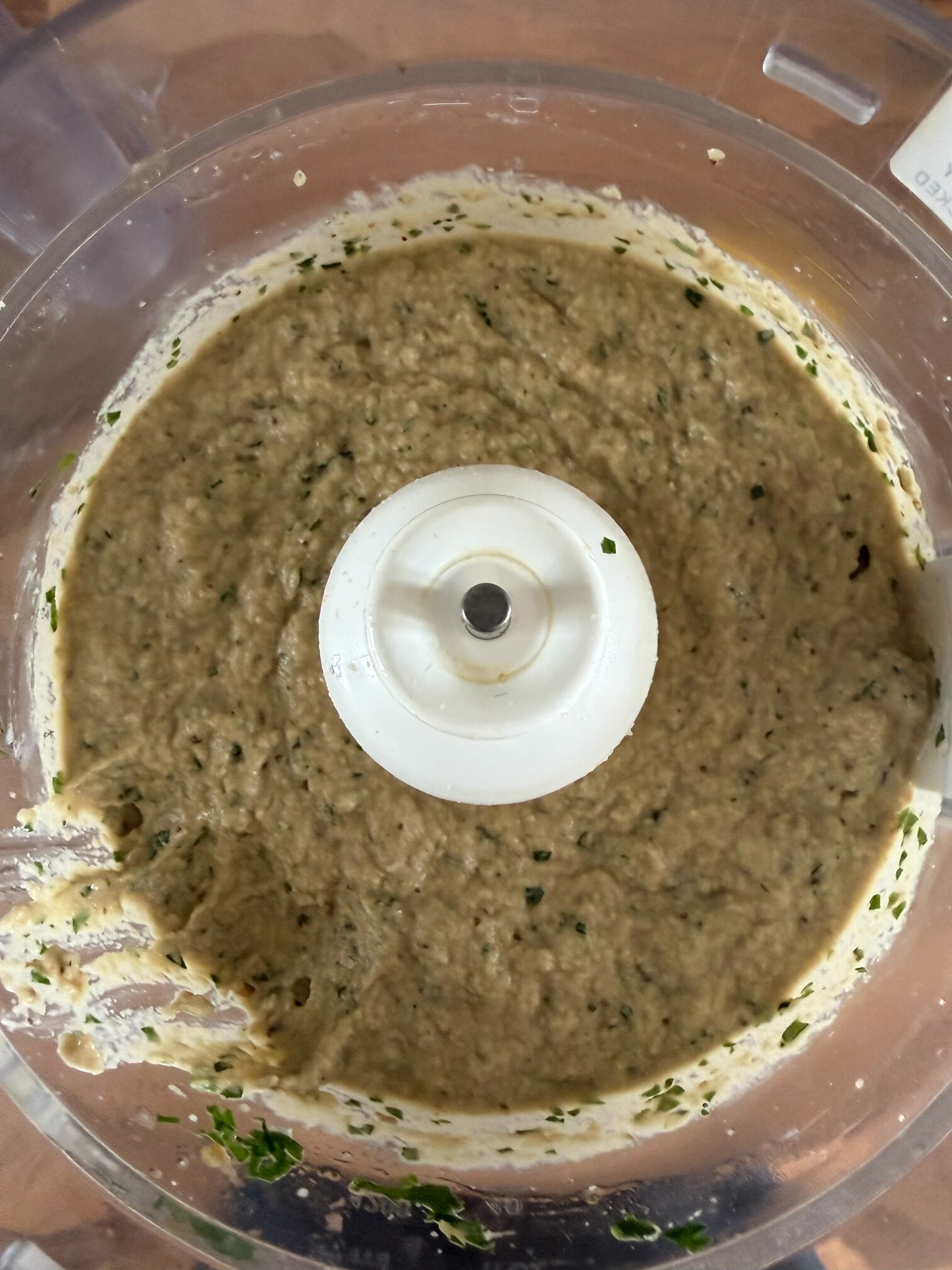
6: Blend – Add the juice of one lemon, the parsley and the extra‑virgin olive oil. Blend until smooth and creamy. Season with salt and pepper to taste
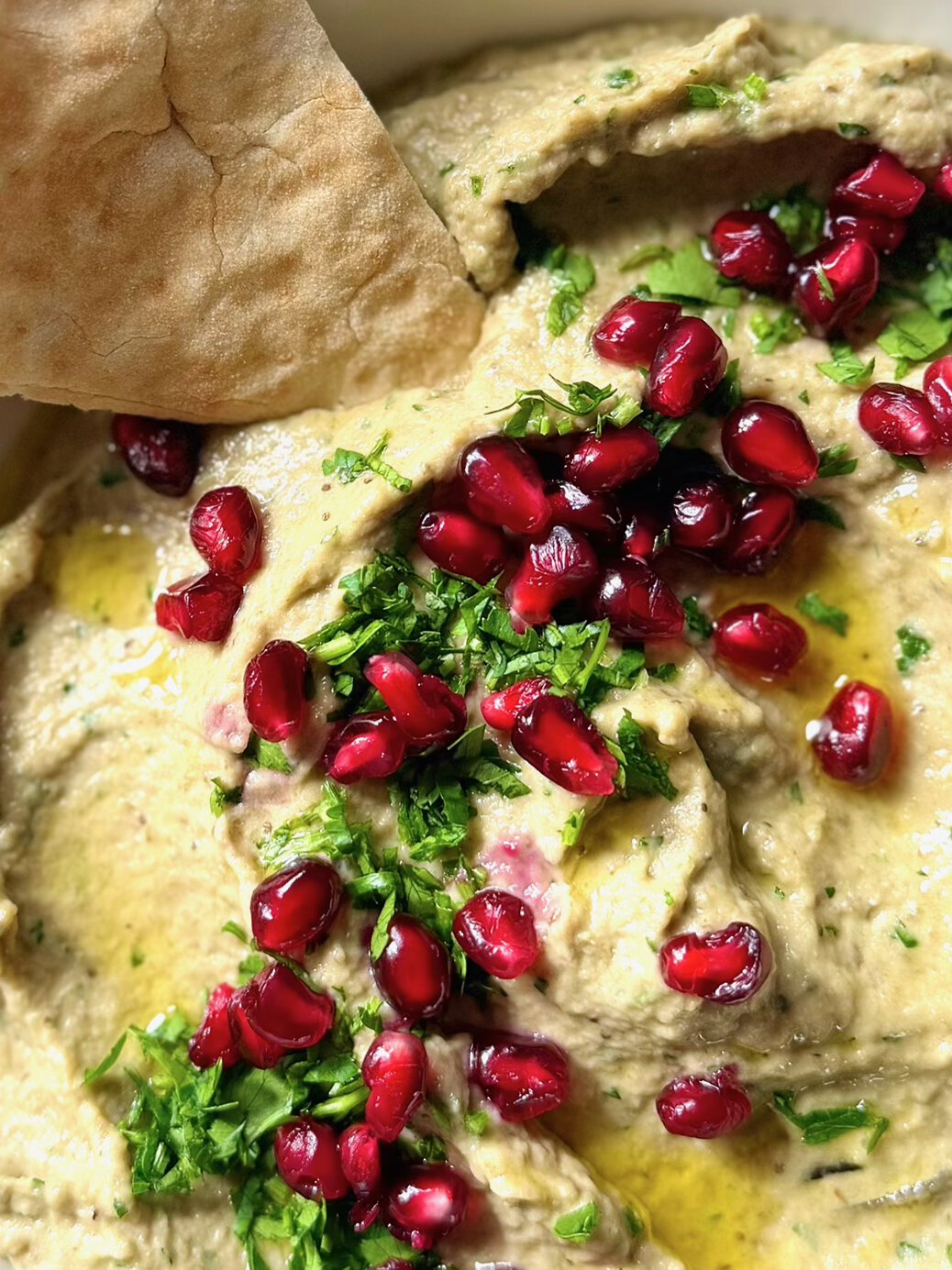
Serving suggestions
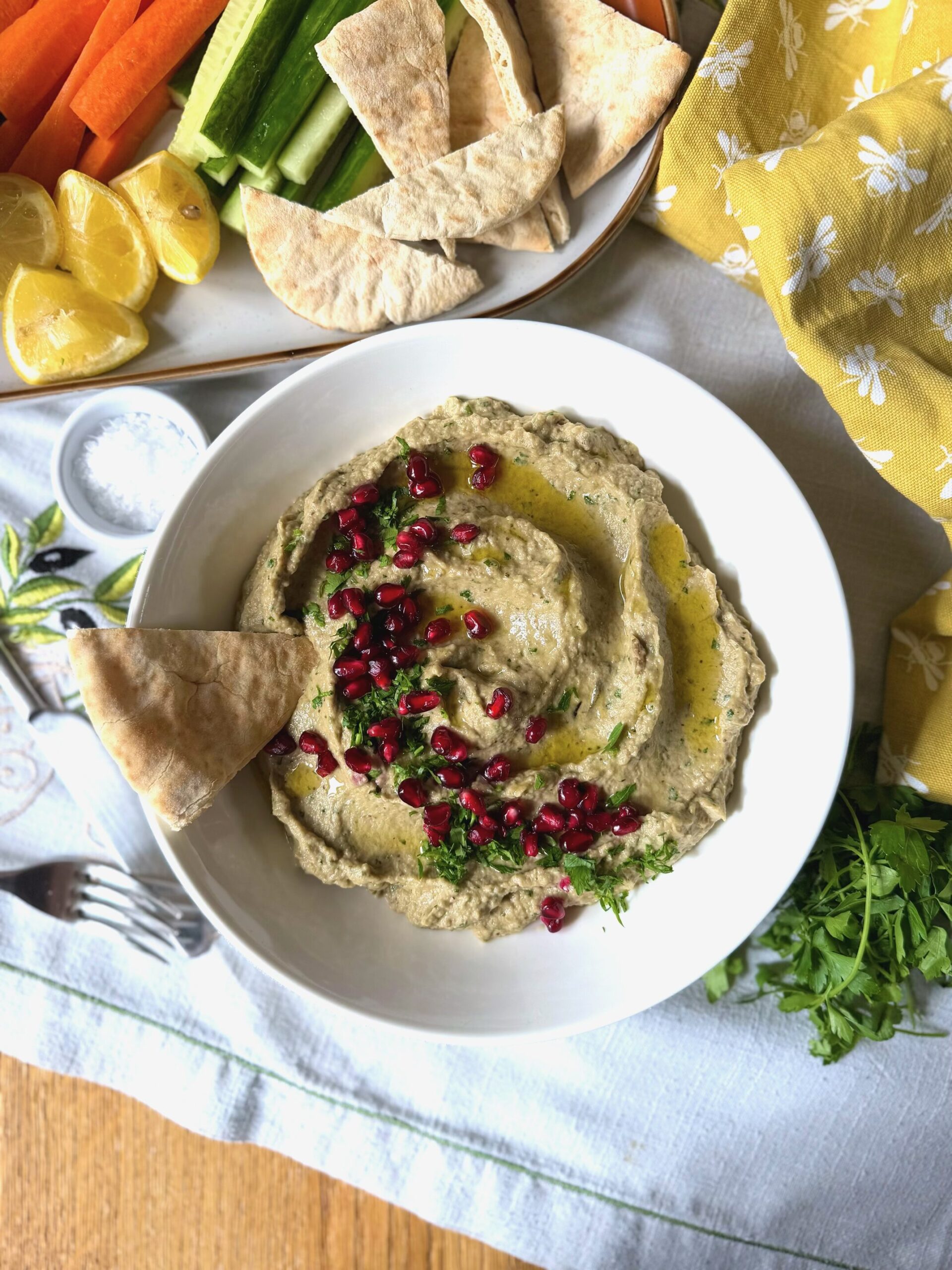
- Serve as part of a relaxed mezze spread with warm flatbreads, crunchy veg or simple grilled meats - it pairs perfectly with your Lebanese Turkey Kofta Mezze Plate.
- Use it as a quick healthy snack for busy parents: keep a tub in the fridge and scoop it up with crackers, pitta or sliced veg.
- Spread it into wraps or sandwiches for easy lunches, especially in your Roasted Vegetable & Baba Ganoush Sandwich.
- Spoon it alongside salads or grain bowls for extra flavour and creaminess.
- Serve it with slices of Homemade Olive & Rosemary Focaccia for a simple tear‑and‑dip option that always disappears fast.
- Add it to a colourful crudités platter – carrots, cucumber, peppers and cherry tomatoes all work brilliantly with this creamy aubergine dip.
Variations
Storage and freezing
Storage – Baba ganoush keeps really well, which makes it ideal for quick lunches and healthy snacks through the week. Store it in an airtight container in the fridge for up to 4 days. Give it a quick stir before serving – the tahini and olive oil can settle slightly, but it comes right back together.
Freezing – You can freeze baba ganoush, and it holds up better than most dips. Spoon it into a freezer‑safe container, smooth the top and add a thin layer of olive oil to help prevent freezer burn. Freeze for up to 3 months. Defrost in the fridge overnight, then stir well to bring back the creamy texture.

- Roast the aubergines longer than you think – the softer and more collapsed they are, the creamier your baba ganoush will be.
- If you want extra smokiness, char the aubergines directly over a gas flame or under a very hot grill before roasting.
- Let the aubergines cool slightly before scooping out the flesh – it drains better and keeps the dip from turning watery.
- Taste as you go – A squeeze more lemon or a tiny pinch of salt can completely transform the flavour.
- Make it ahead – Baba ganoush tastes even better after a few hours in the fridge when the flavours have had time to settle
FAQ
baba ganoush origin?
Baba ganoush is traditionally from the Levant region, with roots in countries like Lebanon, Syria and Palestine. It's a classic part of Middle Eastern mezze and has been enjoyed for generations.
baba ganoush meaning?
The name is often translated as "pampered father" or "spoiled daddy," though the exact story behind it varies. Most explanations suggest it refers to the soft, comforting texture of the dish - something so good it could pamper anyone who eats it.
Can I make baba ganoush without tahini?
Yes - it will be slightly lighter and less creamy, but still delicious. Add a little extra olive oil and lemon to balance the flavour
Why is my baba ganoush watery?
This usually happens when the aubergines aren't drained after roasting. Let the flesh sit in a sieve for 10-15 minutes to remove excess liquid before blending.
How do I get a stronger smoky flavour?
Char the aubergines over a gas flame or under a very hot grill before roasting. A pinch of smoked paprika also boosts the smokiness without overpowering the dip.
Can I roast the aubergines in advance?
Yes – roasted aubergine flesh keeps well in the fridge for up to 2 days. Let it cool completely, store it in an airtight container, and make the dip when you're ready. It's a great way to save time on busy days.
Did you enjoy this recipe? have a question? It would mean so much to me if you please leave a comment and a rating below!
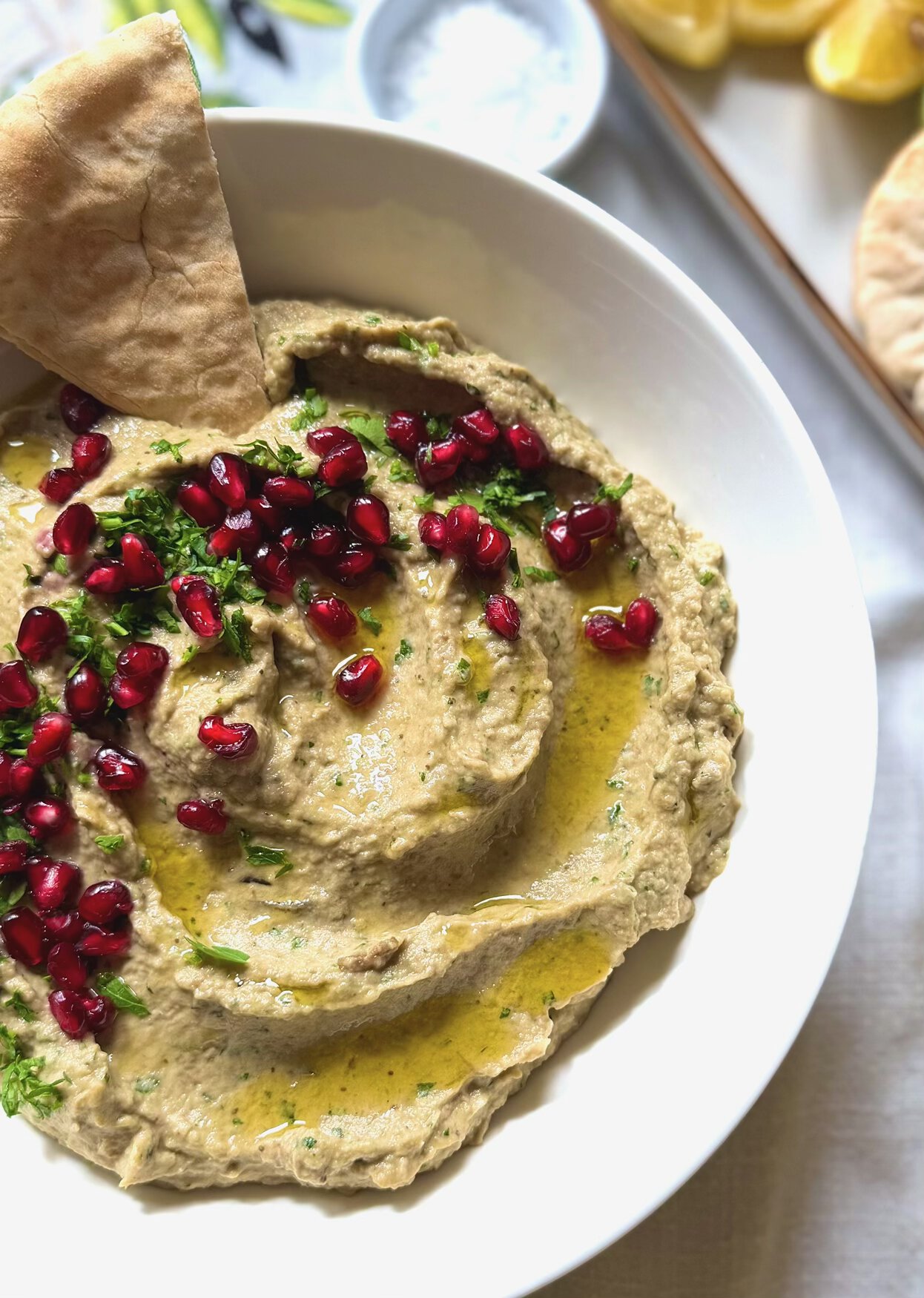
Easy homemade baba ganoush recipe
Ingredients
- 3 Aubergines
- 2 garlic bulbs
- 1 Lemon
- handfull flat leaf parsley
- 70 mul extra virgin olive oil
Instructions
- Prep the aubergines – Slice the aubergines in half lengthways. Score the flesh in a criss‑cross pattern, then drizzle with olive oil and season with salt and pepper. Place cut‑side up on a baking tray.
- Roast – Cut the tops off the garlic bulbs, drizzle with a little oil, wrap in foil and place on the same tray. Roast everything at 190°C for 35-40 minutes, until the aubergines are soft and collapsing.
- Cool – Remove the tray from the oven and leave the aubergines and garlic to cool until you can handle them comfortably.
- Prep the herbs – Finely chop a handful of fresh parsley and set aside.
- Scoop & squeeze – Use a spoon to scoop the soft aubergine flesh into a food processor. Squeeze the roasted garlic cloves out of their skins and add them to the processor.
- Blend – Add the juice of one lemon, the parsley and the extra‑virgin olive oil. Blend until smooth and creamy. Season with salt and pepper to taste
Notes
Related
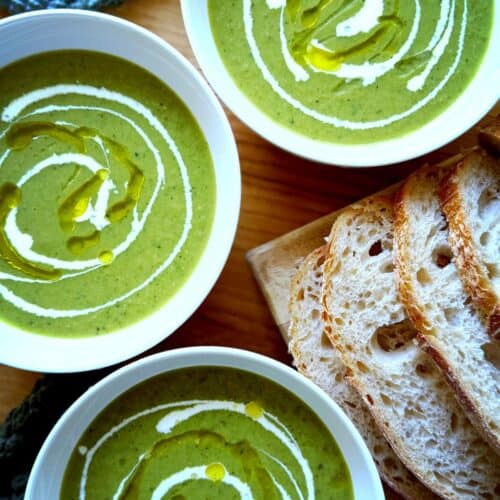

Pairing
These are my favorite dishes to serve with [this recipe]: